

Identity Theft

Learn about credit reports, reporting errors, dispute procedures, consumer rights, and steps for addressing inaccurate information.

Understanding Identity Theft

Identity theft occurs when someone uses another person’s personal information without permission for financial, legal, or other fraudulent purposes. Stolen information may include Social Security numbers, bank account details, credit card information, or online account credentials.

This resource explains common forms of identity theft, warning signs, prevention strategies, recovery options, and consumer protections that may help individuals respond to identity-related concerns.

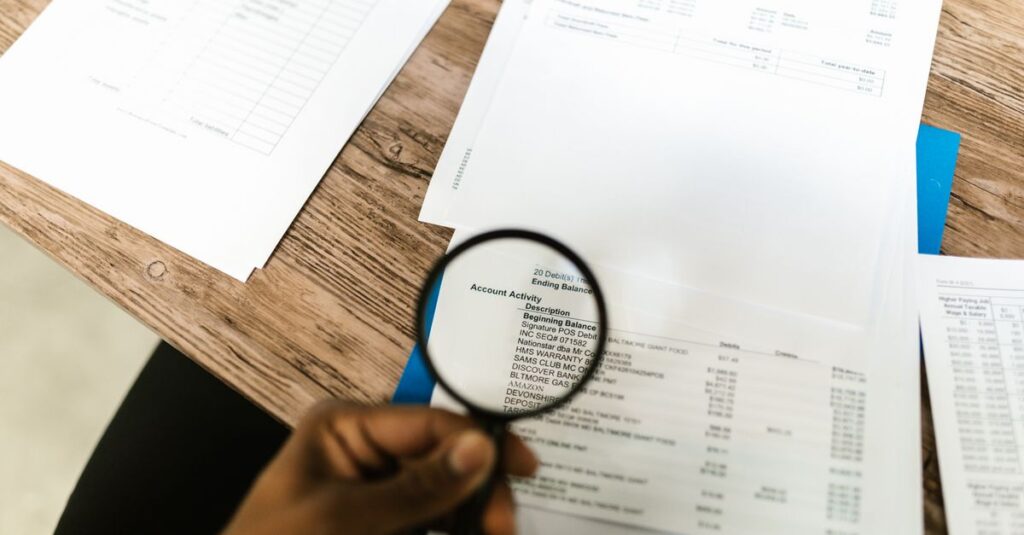
Close-up of hand using magnifying glass to review documents. Ideal for financial themes.
dentity Theft Types

Learn about common forms of identity theft, including financial fraud, account takeover, tax fraud, and synthetic identity theft.

Blackboard with 'Scam Alert' written in white chalk, emphasizing a warning concept.
Warning Signs

Recognize potential warning signs such as unauthorized transactions, unfamiliar accounts, and suspicious financial activity.

Close-up view of a mouse cursor over digital security text on display.
Prevention Strategies

Understand practical steps that may help reduce the risk of identity theft and protect personal information.

A hand examining a credit card agreement on a wooden desk, highlighting financial review.
Recovery Options

Learn about available recovery steps, documentation practices, and reporting procedures following identity theft.

Why Identity Theft Knowledge Matters

Identity theft can affect financial accounts, credit reports, employment records, and personal security. Understanding prevention and recovery strategies can help consumers reduce risks and respond effectively.

  • Protect Personal Information
  • Recognize Fraud Warning Signs
  • Reduce Financial Risks
  • Understand Recovery Options

What You'll Learn

This educational resource provides information about identity theft risks, prevention methods, consumer protections, and recovery procedures.

  • Identity Theft Basics
  • Fraud Prevention Strategies
  • Credit Monitoring
  • Recovery Procedures
  • Consumer Rights

Need Legal Help?

Some identity theft situations may involve significant financial losses, credit reporting concerns, or ongoing fraud issues. In certain circumstances, professional assistance may be helpful.

Consumers facing complex identity theft matters may benefit from obtaining qualified legal guidance and reviewing available recovery resources.


Common Situations

Masked hacker with credit card at computer, symbolizing cybercrime and anonymity.

Identity Theft

Unexpected bills, unfamiliar accounts, unauthorized transactions, or suspicious financial activity.

Laptop displaying a security lock icon on a table with a potted plant and clock.

Account Takeovers

Unauthorized access to bank accounts, online services, email accounts, or financial platforms.

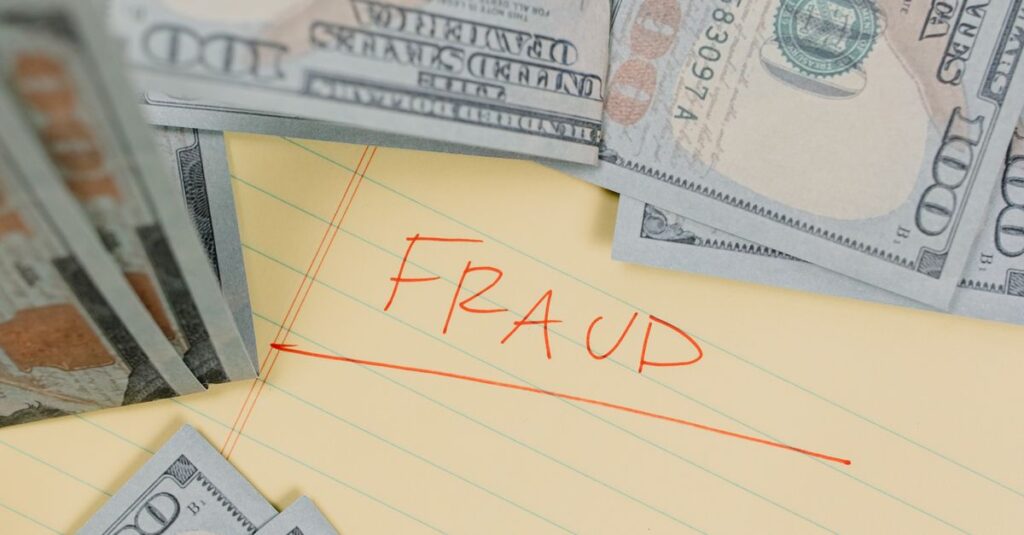
Close-up of US dollar bills on paper labeled 'FRAUD', highlighting financial deception.

Credit Fraud

Fraudulent accounts, loans, or credit activity appearing under a consumer’s identity.

Close-up of hand using magnifying glass to review documents. Ideal for financial themes.

Recovery Steps

Reporting fraud, documenting losses, monitoring accounts, and reviewing credit information.

F.A.Q.

Common questions about identity theft, fraud prevention, recovery options, and consumer rights.

Identity theft occurs when personal information is used without authorization for fraudulent or unlawful purposes.

Fraudsters may target Social Security numbers, financial account details, passwords, and other personal information.

Warning signs may include unauthorized transactions, unfamiliar accounts, unexpected bills, or suspicious account activity.

Identity theft may result in inaccurate information, fraudulent accounts, or unauthorized activity appearing on a credit report.

Review account activity, gather documentation, secure affected accounts, and consider reporting suspicious activity through appropriate channels.

Strong passwords, account monitoring, secure networks, and awareness of scams may help reduce identity theft risks.

Recovery timelines vary depending on the type of fraud, available documentation, and the complexity of the situation.

Various consumer protection laws may provide rights related to fraud reporting, credit reporting, and financial account protections.

Related Legal Resources

Explore additional educational resources related to credit reports, consumer protection, financial disputes, and scam awareness.

An adult man examining a financial document under natural light at a wooden desk, emphasizing finance and reading.

Credit Report Issues

Learn how credit reports work, how to identify reporting errors, and how disputes may be handled.

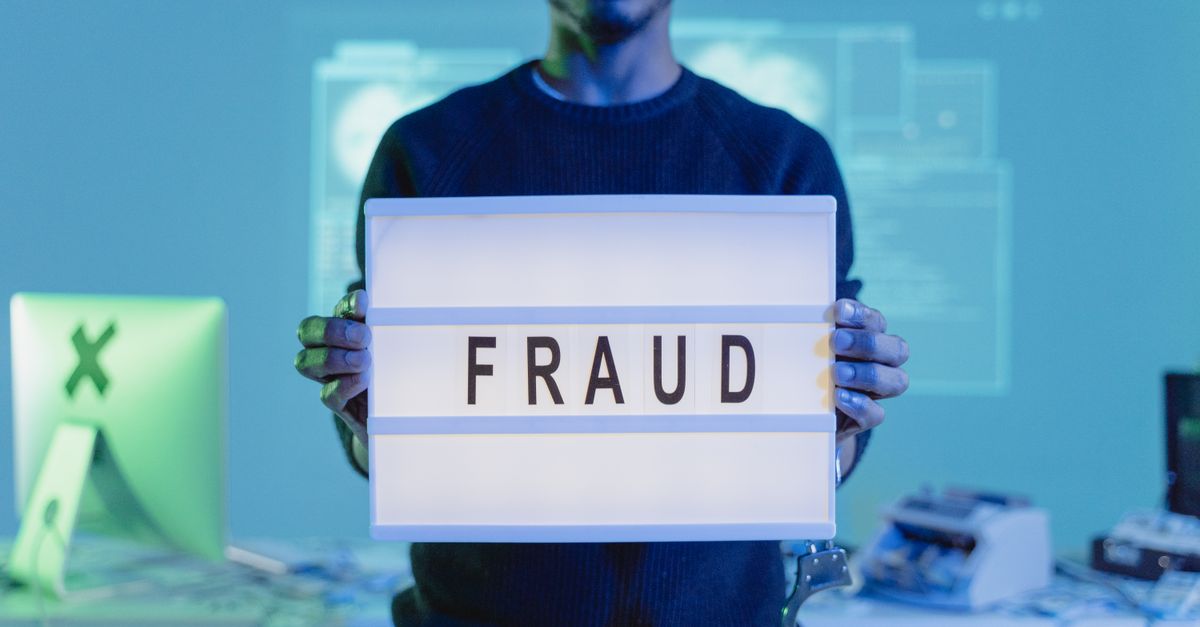
A man holding a sign reading 'FRAUD' in a tech environment, highlighting cybersecurity concerns.

Scam Awareness

Understand common scams, fraud tactics, and practical strategies for protecting personal information.

Diverse couple shopping in a supermarket, exploring frozen produce aisle together.

Consumer Protection

Explore consumer rights, deceptive business practices, unfair conduct, and legal protections designed to help safeguard consumers.

Close-up of hands reviewing suspicious tax documents labeled 'scam' on a desk.

Financial Disputes

Learn about common financial disputes involving payments, contracts, billing issues, and consumer transactions that may require resolution.

Related Articles

No posts found.