

Debt Collection

Learn about consumer rights, debt collection laws, dispute procedures, and practical steps for responding to collection agencies.

Understanding Debt Collection

Debt collection occurs when creditors or collection agencies attempt to recover unpaid debts from consumers. Understanding your rights can help you respond confidently, avoid common mistakes, and protect yourself from unfair collection practices.

This resource explains consumer rights, collection laws, debt validation procedures, dispute options, and common situations consumers may encounter during the collection process.

Couple selecting bread in a modern supermarket while grocery shopping together.
Consumer Rights
Learn what debt collectors can and cannot legally do when attempting to collect a debt.
Bookshelves with a ladder in a Polish library, Wrocław.
Collection Laws
Understand federal consumer protection laws and common legal requirements for debt collectors.
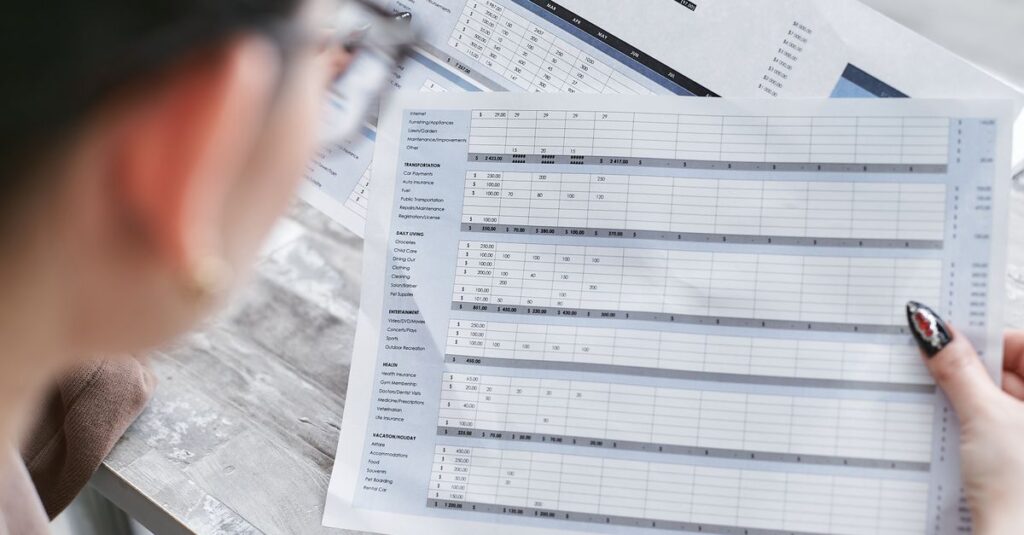
A businesswoman reviewing financial spreadsheets with charts and graphs in an office setting.
Debt Validation
Discover how to request verification and documentation of a debt before making payments.
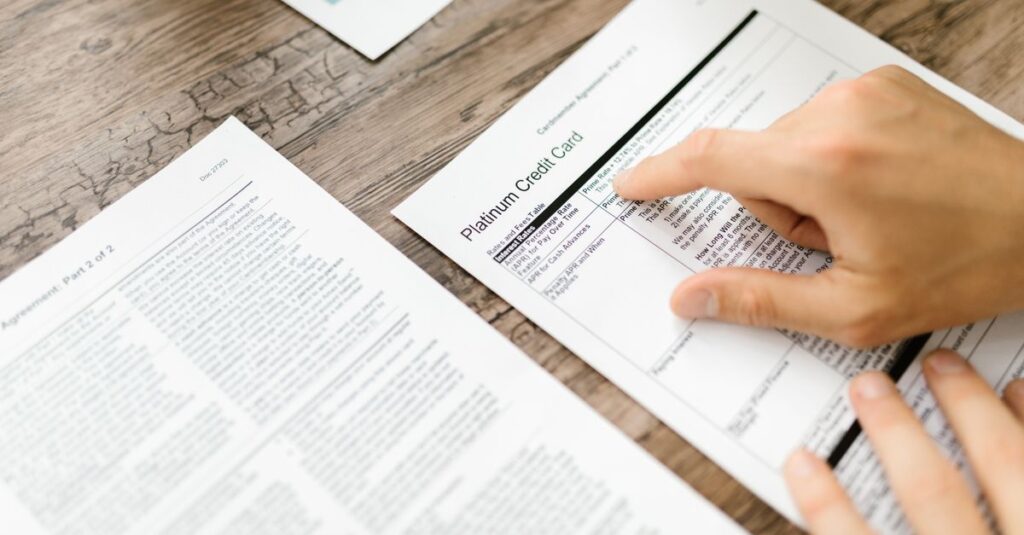
A hand examining a credit card agreement on a wooden desk, highlighting financial review.
Dispute Process
Learn how to dispute inaccurate information and communicate effectively with collection agencies.

Why Debt Collection Knowledge Matters

Understanding debt collection laws can help consumers recognize unfair collection practices, protect their financial interests, and make informed decisions when responding to collection attempts.

  • Understand Consumer Rights
  • Recognize Unfair Practices
  • Protect Credit Health
  • Reduce Financial Stress

What You'll Learn

This educational resource explains common debt collection topics and consumer protections that may apply when dealing with collection agencies and creditors.

  • Debt Collection Procedures
  • Debt Validation Requests
  • Credit Reporting Issues
  • Consumer Protection Laws
  • Collection Dispute Strategies

Need Legal Help?

While many debt collection matters can be resolved through communication and documentation, some situations may require professional legal assistance.

Consumers facing lawsuits, wage garnishment concerns, identity theft issues, or significant financial disputes may benefit from obtaining qualified legal guidance.

Common Situations

Young man in white shirt, on phone call holding a document, standing by a large window.

Collection Calls

Understand your rights when receiving phone calls from debt collectors and collection agencies.

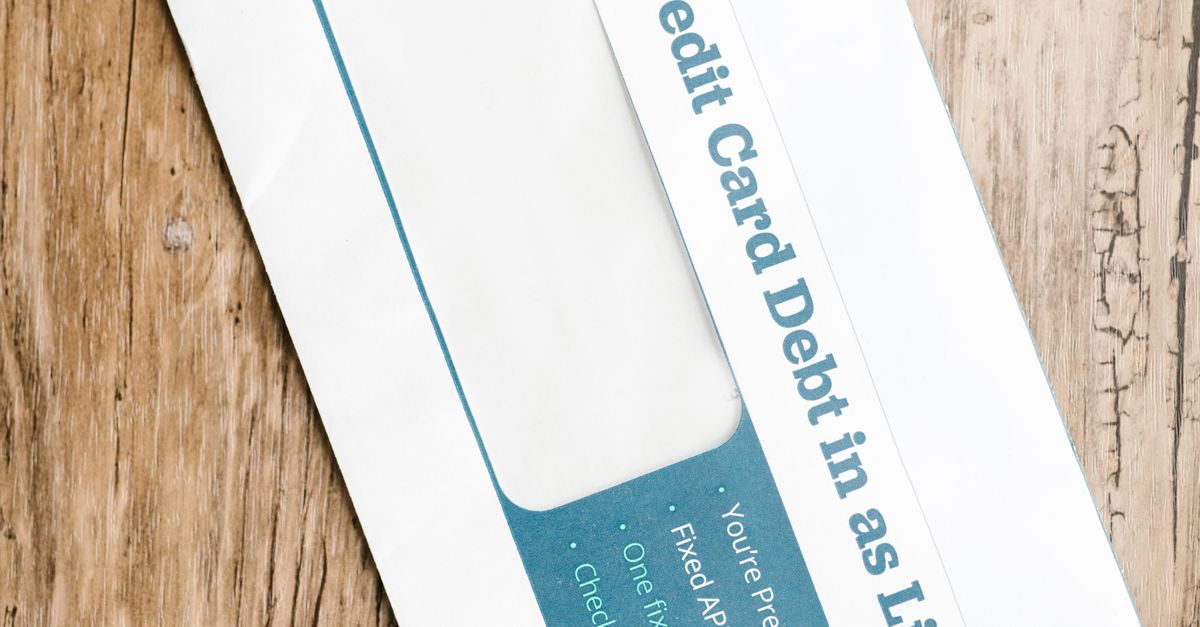
Close-up of a debt-related envelope on a wooden background, emphasizing financial concepts.

Collection Letters

Learn how to review and respond to written collection notices and payment demands.

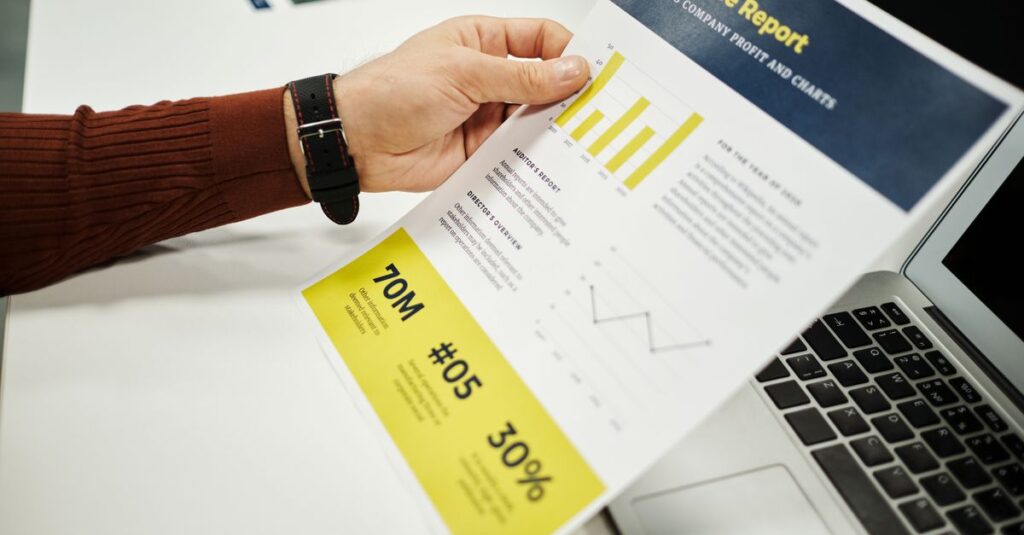
Person analyzing finance report with graphs at desk, ideal for business concepts.

Credit Report Collections

Understand how collection accounts may appear on credit reports and affect financial decisions.

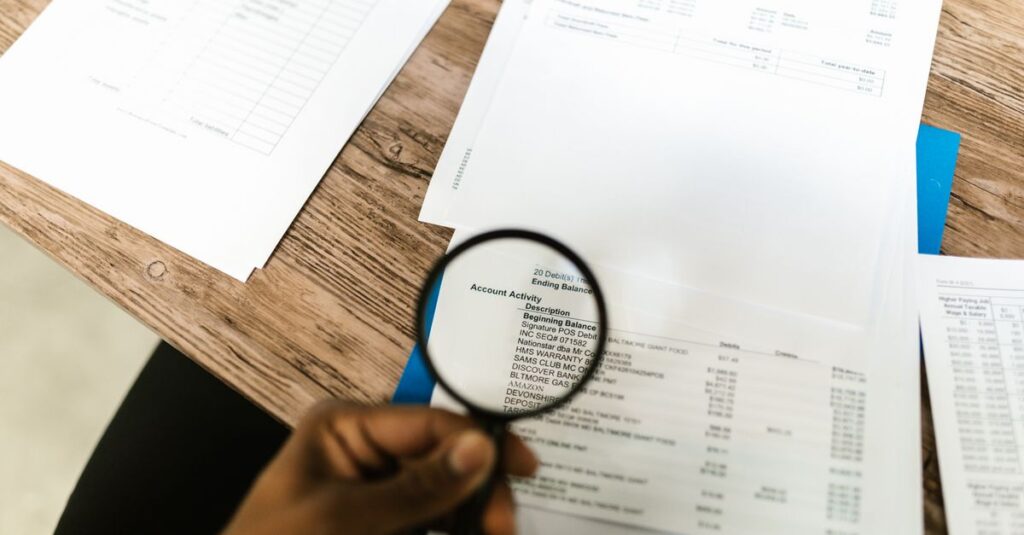
Close-up of hand using magnifying glass to review documents. Ideal for financial themes.

Debt Validation Requests

Understand the process of requesting validation and supporting documentation before responding to a debt claim.

F.A.Q.

Common questions about debt collection, consumer rights, and collection disputes.

In some situations, debt collectors may contact consumers at work. However, if a collector knows or has reason to know that such calls are not permitted by an employer, they generally should stop contacting the consumer at that workplace.

Debt collectors are generally prohibited from engaging in harassment or excessive communication. Specific rules may vary depending on the circumstances and applicable laws.

A debt validation letter is information provided by a collector that identifies the debt and explains certain consumer rights. Consumers may also request additional verification regarding the debt.

Consumers may have the right to dispute inaccurate or incomplete information related to a debt. Maintaining documentation and reviewing records carefully can help support the dispute process.

Collection accounts may remain on a credit report for a period of time depending on applicable reporting rules. Consumers should review credit reports regularly for accuracy.

If you believe a debt does not belong to you, consider reviewing all available documentation and requesting verification. Keeping copies of communications may be helpful when addressing potential errors.

Debt collectors may have limited reasons to contact third parties in certain situations, but consumer protection laws generally restrict what information can be disclosed.

Consumers may have protections against harassment, false statements, unfair practices, and certain forms of improper communication. Rights vary depending on applicable federal and state laws.

Related Legal Resources

Explore additional educational resources related to consumer rights, financial disputes, and credit reporting issues.

An adult man examining a financial document under natural light at a wooden desk, emphasizing finance and reading.

Credit Report Issues

Learn how credit reports work, how to identify reporting errors, and what steps may be available when inaccurate information appears on your credit history.

A man holding a sign reading 'FRAUD' in a tech environment, highlighting cybersecurity concerns.

Identity Theft

Understand common forms of identity theft, warning signs to watch for, and practical steps that may help protect personal and financial information.

Diverse couple shopping in a supermarket, exploring frozen produce aisle together.

Consumer Protection

Explore consumer rights, deceptive business practices, unfair conduct, and legal protections designed to help safeguard consumers.

Close-up of hands reviewing suspicious tax documents labeled 'scam' on a desk.

Financial Disputes

Learn about common financial disputes involving payments, contracts, billing issues, and consumer transactions that may require resolution.

Related Articles

No posts found.