

Landlord-Tenant Disputes

Learn about common landlord-tenant disputes, tenant rights, lease violations, repair issues, rent disagreements, and options for resolving housing conflicts.

Understanding Landlord-Tenant Disputes

Landlord-tenant disputes can arise over rent payments, lease agreements, repairs, property access, security deposits, and other housing-related concerns.

This resource explains common housing conflicts, tenant protections, landlord obligations, and practical steps for resolving disputes before they escalate to legal action.

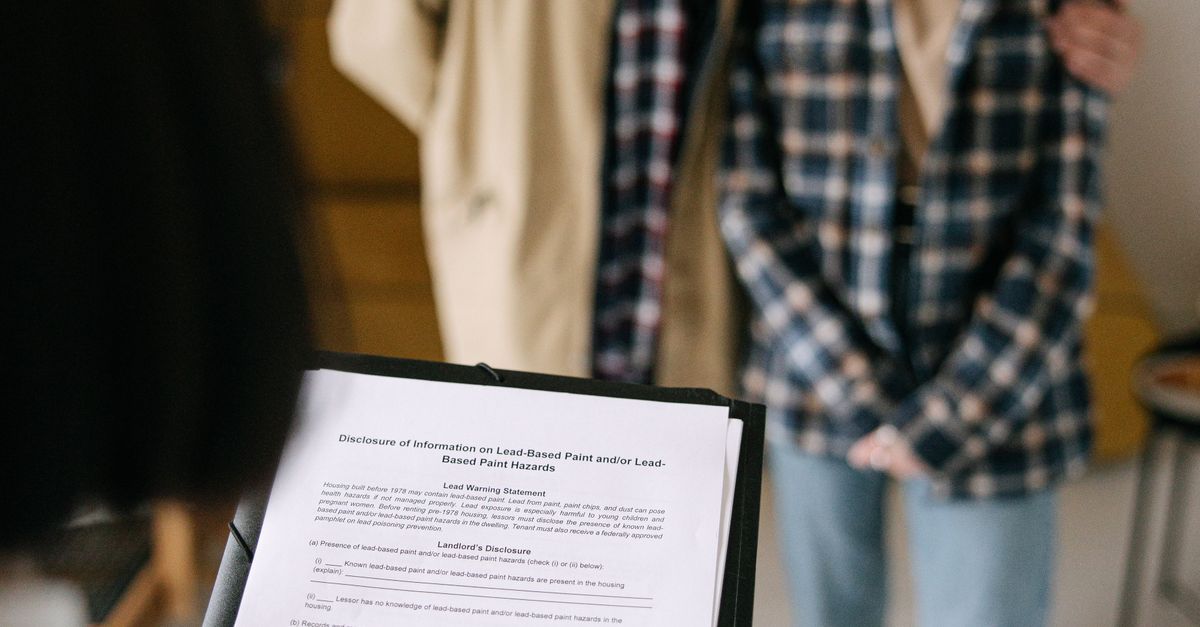
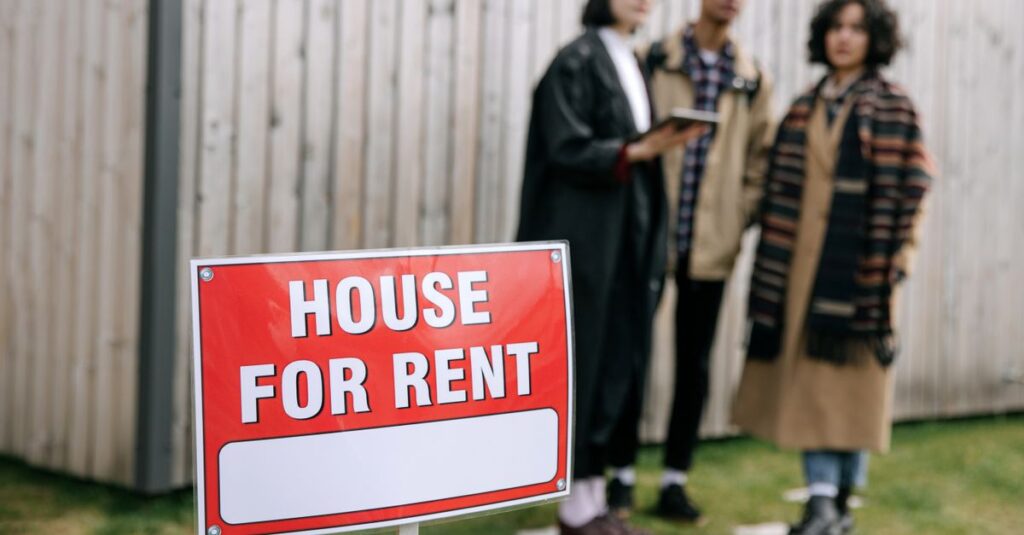
Three adults examining a house for rent sign outdoors, depicting diverse and inclusive interest in rental properties.
Tenant Rights
Learn about your legal rights regarding housing, privacy, repairs, and fair treatment.
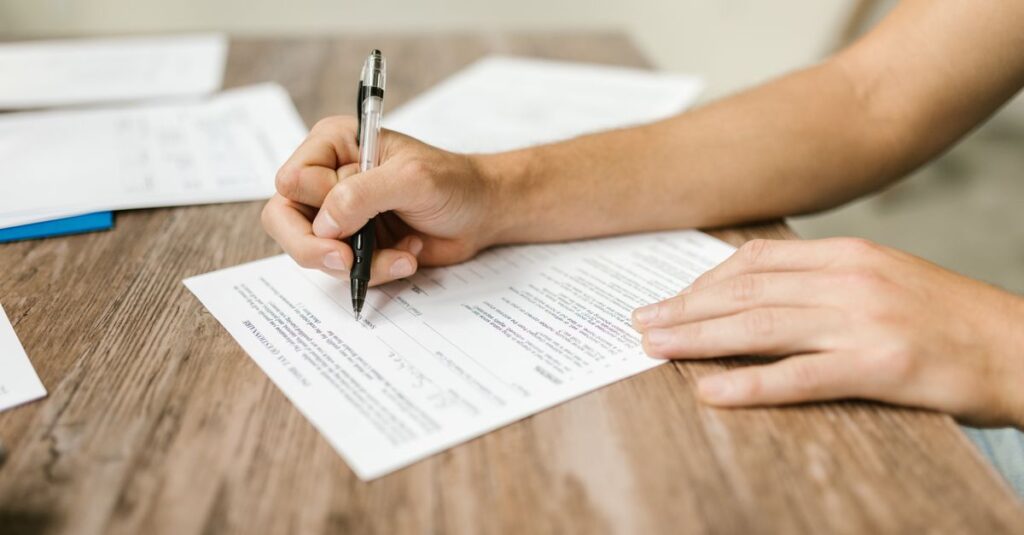
Hand filling out paperwork with a pen, showcasing focus on document completion.
Lease Violations
Understand common lease disputes involving rent, occupancy, property use, and contract terms.
A financial advisor discusses paperwork with a client at a desk in a modern office.
Maintenance Issues
Explore responsibilities for repairs, habitability concerns, and property maintenance.
A therapist mediates a session with two men on a couch discussing mental health.
Dispute Resolution
Learn about negotiation, mediation, housing agencies, and legal remedies.

Why Understanding Housing Rights Matters

Housing disputes can affect your living situation, finances, and legal rights. Understanding landlord-tenant laws helps both parties avoid unnecessary conflicts.

  • Tenant Rights
  • Landlord Responsibilities
  • Lease Enforcement
  • Housing Law Compliance

What You'll Learn

This educational resource provides information about common housing disputes and available options for resolution.

  • Lease Agreements
  • Repair Obligations
  • Rent Disputes
  • Security Deposits
  • Housing Court Basics

Need Legal Help?

Some landlord-tenant disputes may require professional legal assistance, especially when eviction proceedings, housing code violations, discrimination claims, or significant financial losses are involved.

Consulting a qualified housing attorney or legal aid organization can help you understand your options and protect your rights.

Common Situations

A woman overwhelmed with finances, surrounded by bills, calculator, and cash at home.

Repair Problems

Landlords fail to address maintenance requests or unsafe living conditions.

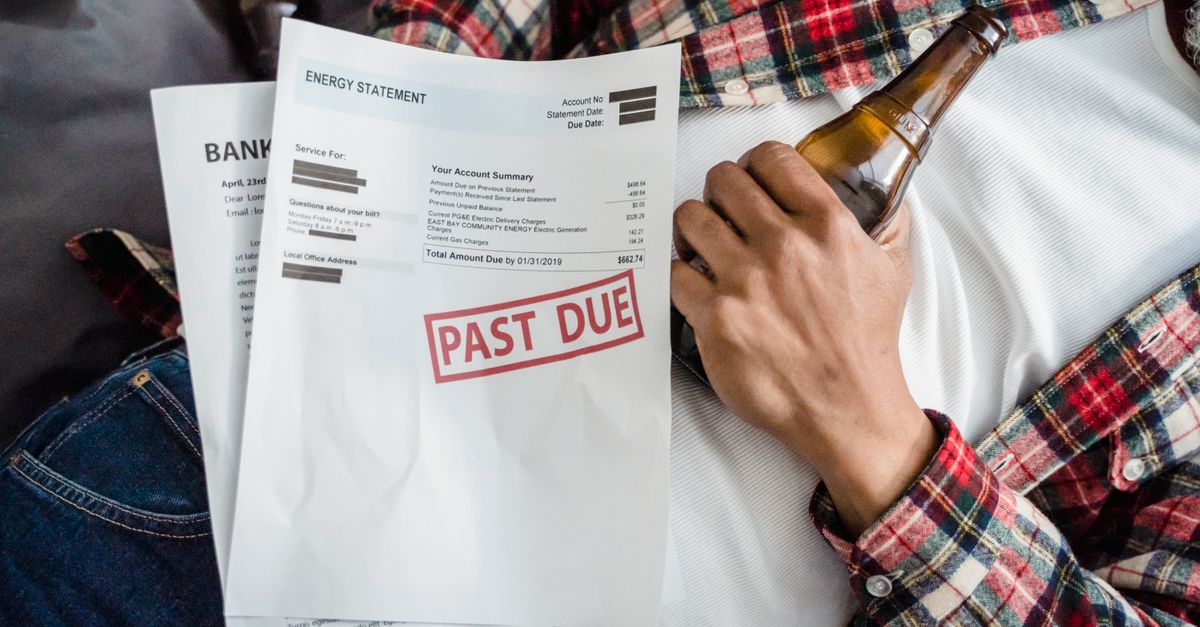
A man relaxes with a beer bottle while holding past due bills, highlighting financial stress.

Rent Disputes

Disagreements regarding rent increases, payments, fees, or late charges.

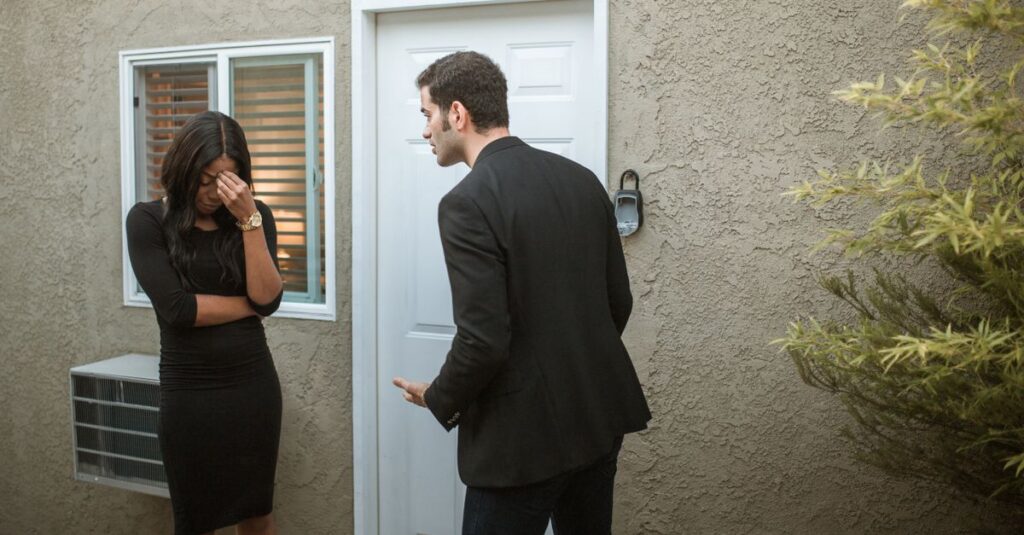
A tense moment between an interracial couple arguing outside a doorway.

Lease Violations

Conflicts involving lease terms, occupancy limits, pets, or property use.

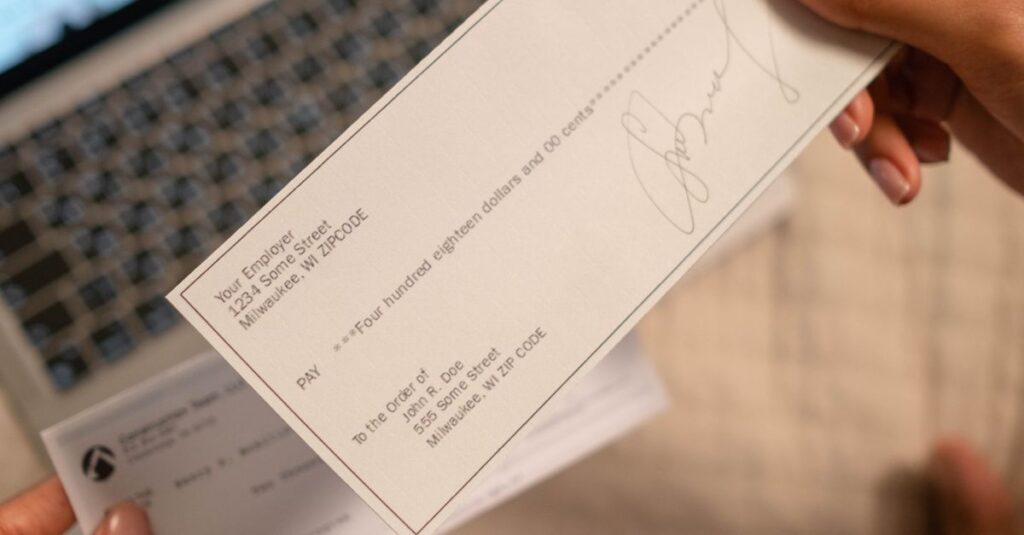
Individual holding a cheque over laptop, signifying online banking or financial transaction.

Security Deposits

Questions regarding deposit deductions, refunds, and move-out inspections.

F.A.Q.

Tenant rights vary by state but generally include the right to a safe and habitable living environment, privacy, fair treatment, and protection from unlawful eviction. Tenants may also have rights regarding repairs, security deposits, and discrimination protections.

In many situations, landlords must provide reasonable notice before entering a rental property, except during emergencies. State and local laws may establish specific notice requirements and permitted reasons for entry.

Tenants should document maintenance issues, notify the landlord in writing, and keep copies of all communications. If serious problems remain unresolved, local housing agencies or legal professionals may provide additional guidance.

Security deposit disputes often involve disagreements about property damage, cleaning costs, or unpaid rent. Laws typically regulate how deposits may be withheld and when they must be returned after a tenant moves out.

Whether rent can be increased depends on the lease agreement and applicable local laws. Fixed-term leases generally establish rental amounts for the duration of the lease, while month-to-month arrangements may allow changes with proper notice.

Lease violations may result in warnings, requests to correct the issue, financial penalties, or legal proceedings. The specific outcome depends on the lease terms, local regulations, and the nature of the violation.

Court involvement may become necessary when disputes cannot be resolved through communication, negotiation, or mediation. Common court matters include eviction cases, unpaid rent claims, property damage disputes, and lease enforcement issues.

Individuals seeking help with housing disputes may consult qualified attorneys, nonprofit legal aid organizations, tenant advocacy groups, or local housing agencies for information about available resources and legal options.

Related Legal Resources

Explore additional educational resources related to housing rights, eviction procedures, lease agreements, fair housing protections, and housing court matters.

A focused view of a couple discussing a real estate document with an agent in an apartment setting.

Evictions

Learn about eviction notices, legal procedures, tenant protections, and housing court requirements.
A senior woman signing paperwork with a young professional assisting her at a desk.

Lease Agreements

Understand lease terms, renewals, amendments, and common rental contract issues.
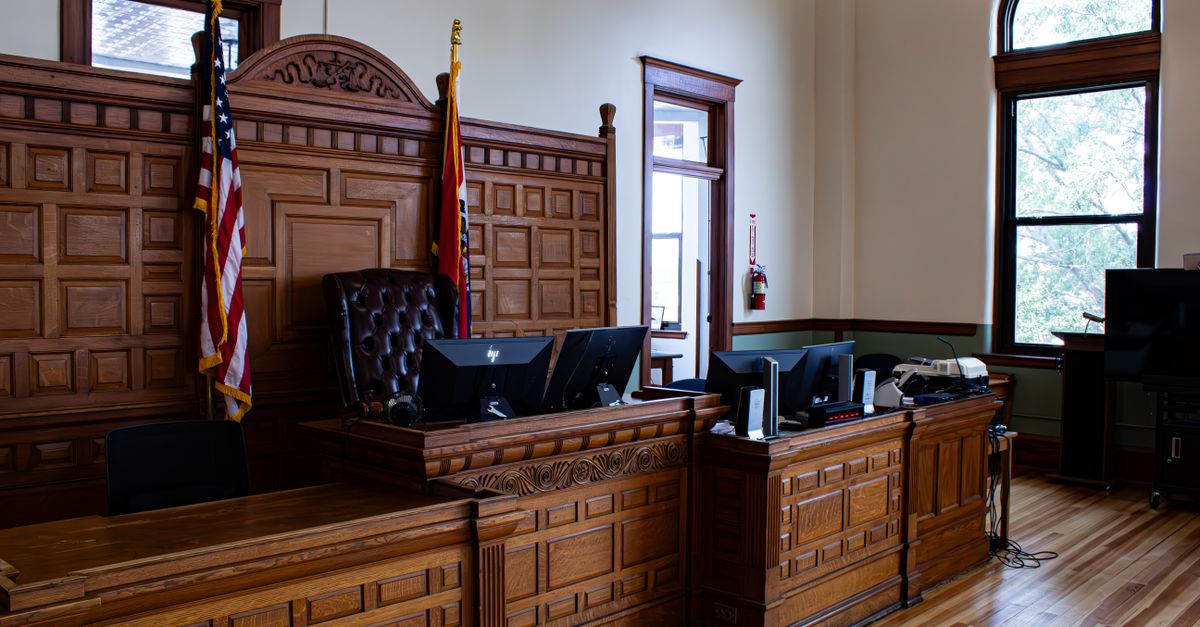
Interior view of an American courthouse in Kirksville, Missouri, featuring a judge's desk and flags.

Housing Court

Explore housing court procedures, filing requirements, hearings, and dispute resolution.
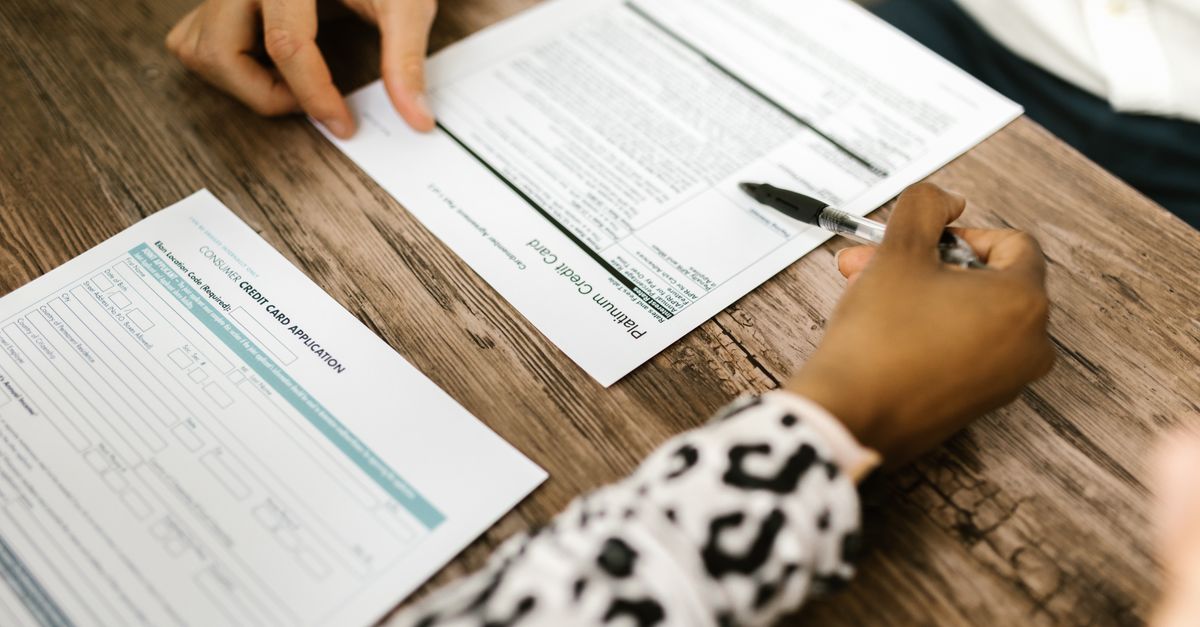
Close-up of two people reviewing and filling out a credit card application on a wooden table.

Fair Housing

Learn about housing discrimination protections, fair housing laws, and complaint options.

Related Articles

No posts found.