
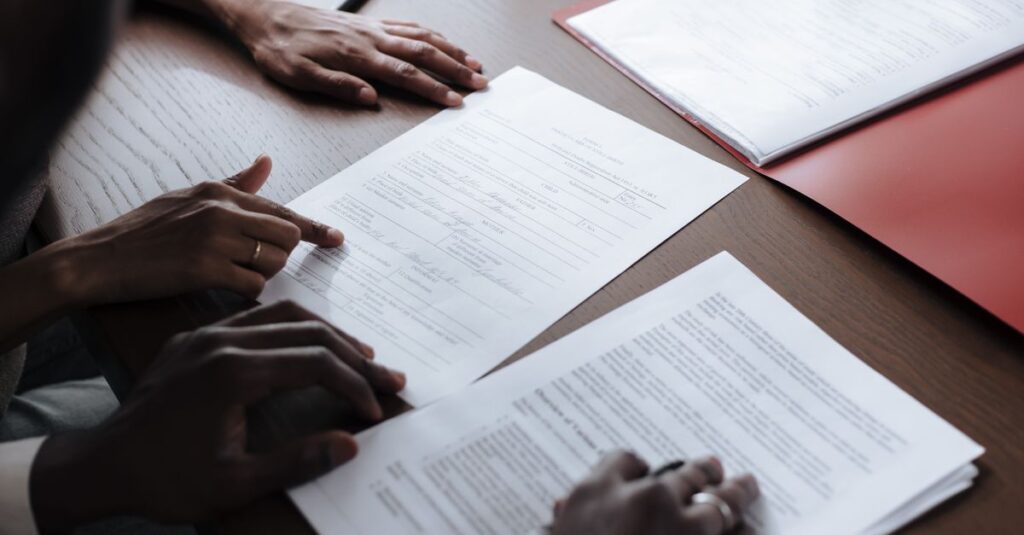

Legal Terms Explained

Learn the meaning of common legal terms used in court cases, contracts, lawsuits, consumer rights, family law, employment disputes, housing matters, and other legal situations. Understanding legal terminology can help you make informed decisions and better navigate legal processes.

Understanding Common Legal Terms

Legal language can often feel confusing and overwhelming. Whether you are dealing with a landlord dispute, employment issue, personal injury claim, family law matter, or consumer complaint, understanding basic legal terms can help you better understand your rights and responsibilities.

This guide explains commonly used legal terms in plain language so individuals can feel more confident when reviewing legal documents, communicating with attorneys, or navigating court proceedings.

Professional working on documents at desk with legal statue and magnifying glass.
Legal Rights
Learn the meaning of legal rights, responsibilities, protections, and obligations under the law.
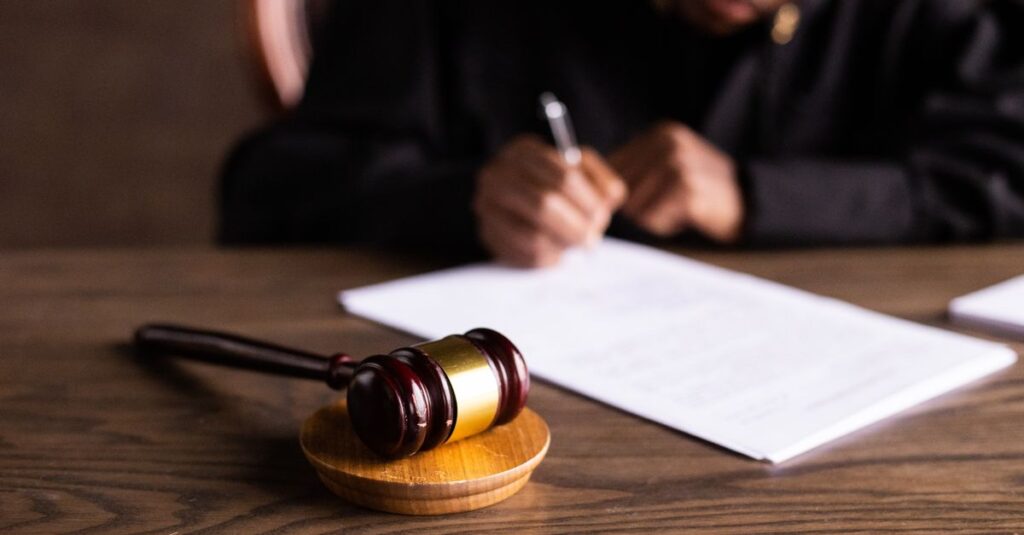
Judge signing documents at desk with focus on gavel, representing law and justice.
Court Terminology
Understand common court terms such as plaintiff, defendant, hearing, judgment, and appeal.
Two individuals reviewing and signing official documents in an indoor setting.
Legal Documents
Explore terms commonly found in contracts, agreements, notices, affidavits, and legal filings.
Hands signing a divorce decree, with a justice statue nearby, symbolizing legal proceedings.
Dispute Resolution
Learn legal concepts related to mediation, arbitration, settlements, and litigation.

Why Legal Terms Matter

Understanding legal terminology can help individuals communicate more effectively, review documents with confidence, and make informed decisions when facing legal issues.

  • Understand Legal Documents
  • Prepare for Court Proceedings
  • Communicate with Attorneys
  • Protect Your Rights
  • Reduce Confusion During Legal Matters

What You'll Learn

This guide introduces common legal terminology frequently encountered in everyday legal situations.

  • Plaintiff & Defendant
  • Settlement Agreements
  • Evidence & Testimony
  • Contracts & Notices
  • Judgments & Appeals
  • Mediation & Arbitration

Need Legal Help?

Legal terminology can vary depending on the type of case and jurisdiction. Understanding key terms can help you better communicate with attorneys, government agencies, landlords, employers, insurance companies, and courts.

If you are facing a legal issue, consider seeking qualified legal assistance to understand how these terms apply to your specific situation.


Common Situations

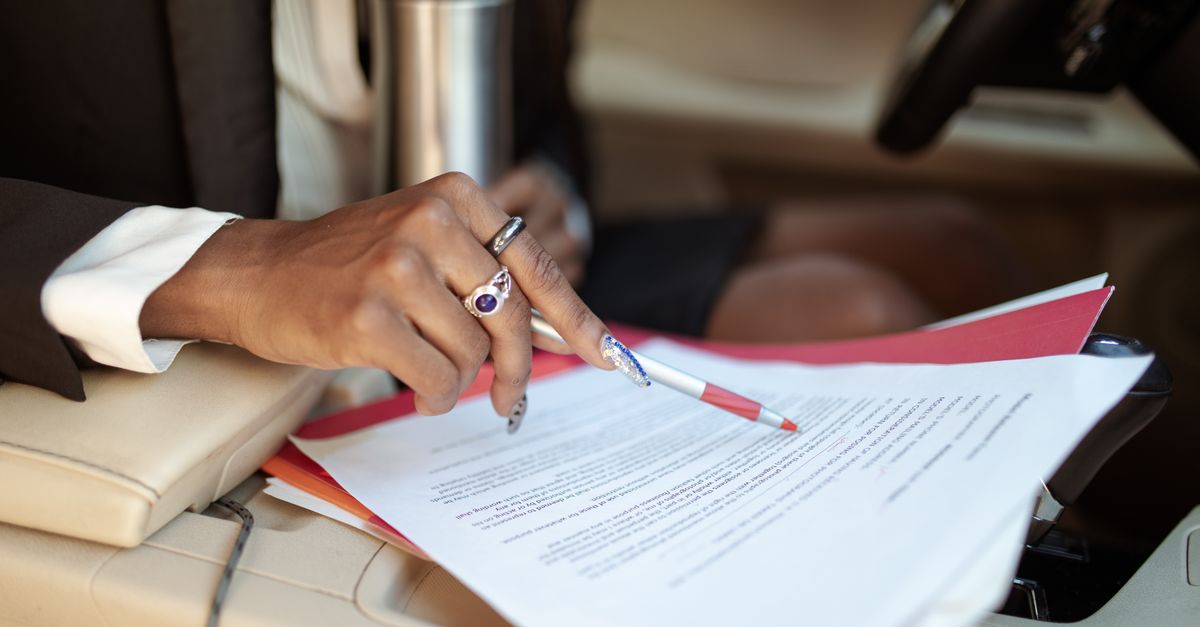
A professional reviewing documents in a car interior, focusing on hand and paperwork.

Reading Legal Documents

Understanding unfamiliar legal language in contracts, notices, and agreements.
Empty courtroom desk with microphones and nameplates in a Polish court setting.

Court Hearings

Learning common court terminology before attending a hearing or trial.
A therapist mediates a session with two men on a couch discussing mental health.

Consumer Disputes

Understanding legal terms used in complaints, claims, and settlement negotiations.
Three professionals engaged in conversation in a modern office corridor.

Employment & Housing Issues

Recognizing legal terminology related to workplace and housing disputes.

F.A.Q.

Common questions about legal terminology, court procedures, legal documents, dispute resolution, and common legal concepts.
A plaintiff is the person or party who starts a lawsuit by filing a legal claim against another party.
A defendant is the person or organization being accused or sued in a legal proceeding.
A settlement is an agreement that resolves a legal dispute without a trial.
Evidence includes documents, testimony, photographs, recordings, or other information used to support a legal claim.
Mediation is a voluntary process where a neutral third party helps disputing parties reach an agreement.
Arbitration is a dispute resolution process where an arbitrator reviews the case and makes a decision.
A judgment is a court’s final decision regarding a legal dispute.
An appeal is a request for a higher court to review a lower court’s decision.

Related Legal Resources

Explore additional legal education resources covering legal documents, court procedures, evidence requirements, legal preparation, and common legal concepts.

A professional reviewing documents in a car interior, focusing on hand and paperwork.

Legal Documents

Understand common legal forms, agreements, notices, and court filings.
A senior woman signing paperwork with a young professional assisting her at a desk.

Court Process Basics

Learn how legal cases typically move through the court system.
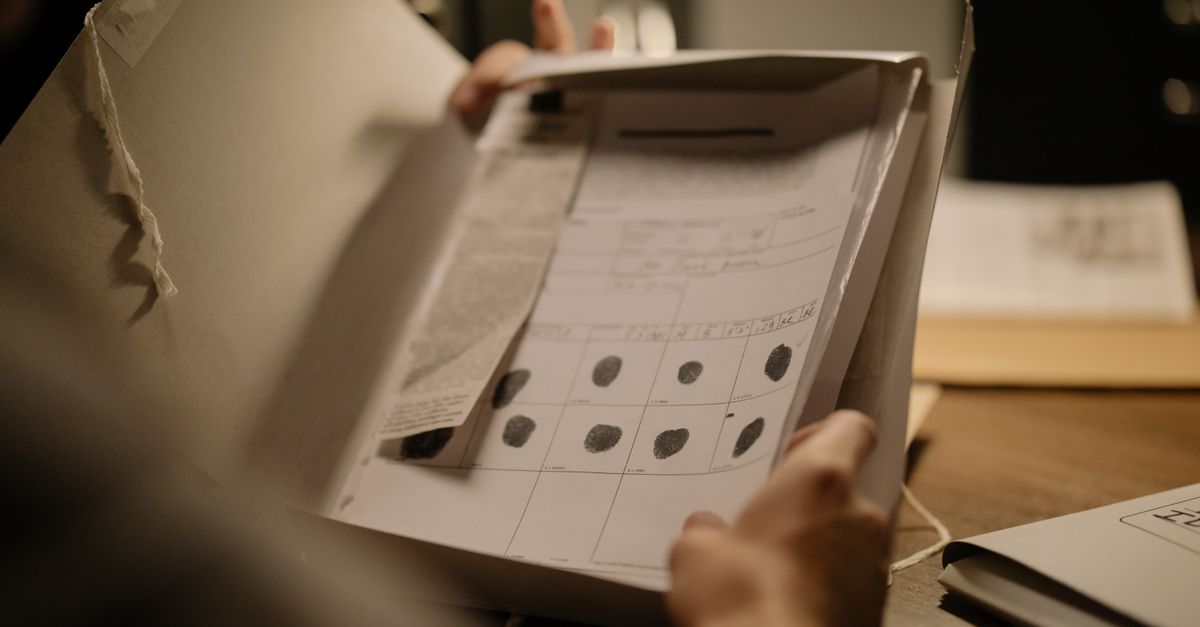
Detailed image showcasing a fingerprint document in an open folder, ideal for forensic and legal themes.

Evidence & Documentation

Explore the importance of records, evidence, and supporting documents.
A professional woman in white jacket writing on a document clipboard during consultation.

Legal Checklists

Review practical legal preparation checklists for common situations.

Related Articles

Welcome to WordPress. This is your first post. Edit or delete it, then start writing!...