
Court Process Basics

Learn about the stages of a legal case, including court filings, hearings, evidence presentation, legal deadlines, and possible outcomes. Understanding the court process can help individuals better prepare for legal proceedings and make informed decisions.

Understanding the Court Process

The court process can seem confusing for individuals unfamiliar with legal proceedings. Whether you are involved in a civil dispute, family law matter, employment issue, housing case, or consumer claim, understanding the court system can help reduce uncertainty and improve preparation.

This guide explains the basic stages of court proceedings, including filings, hearings, evidence presentation, court decisions, and possible case outcomes.

Close-up of a man signing documents in an office. Business-focused and professional environment.
Filing a Case
Learn how legal matters typically begin through complaints, petitions, applications, and court filings.
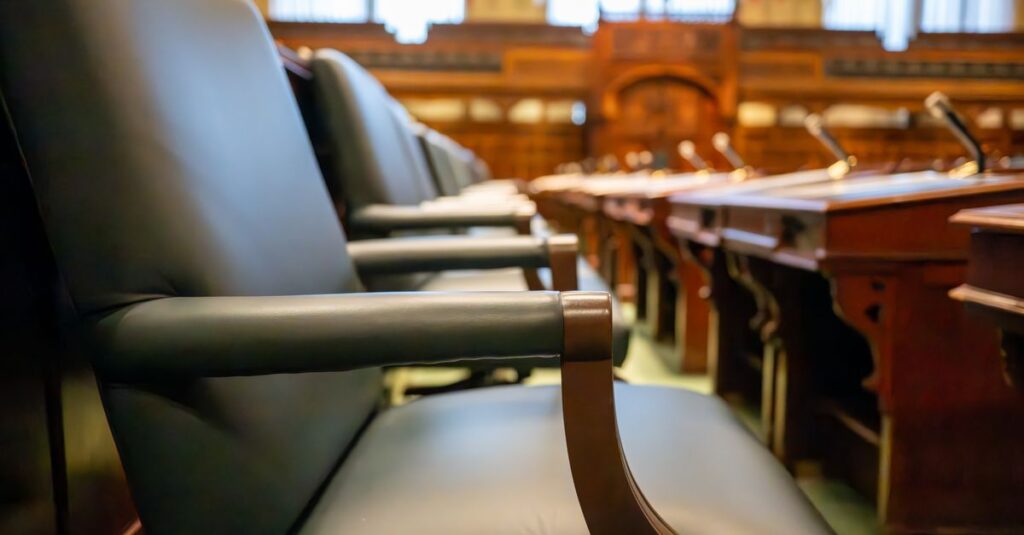
Elegant courtroom seating with leather chairs and wooden desks, exuding a sense of authority.
Court Hearings
Understand the purpose of hearings, conferences, motions, and courtroom appearances.
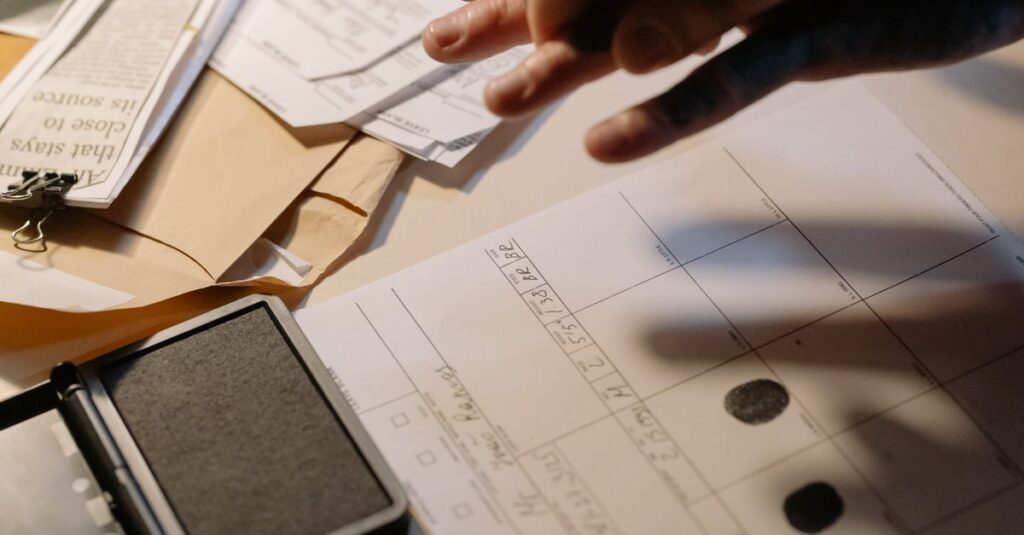
Detailed view of fingerprinting process with documents and ink pad on a desk, focusing on identity verification.
Evidence & Arguments
Learn how evidence, witness testimony, legal records, and arguments may be presented during court proceedings.
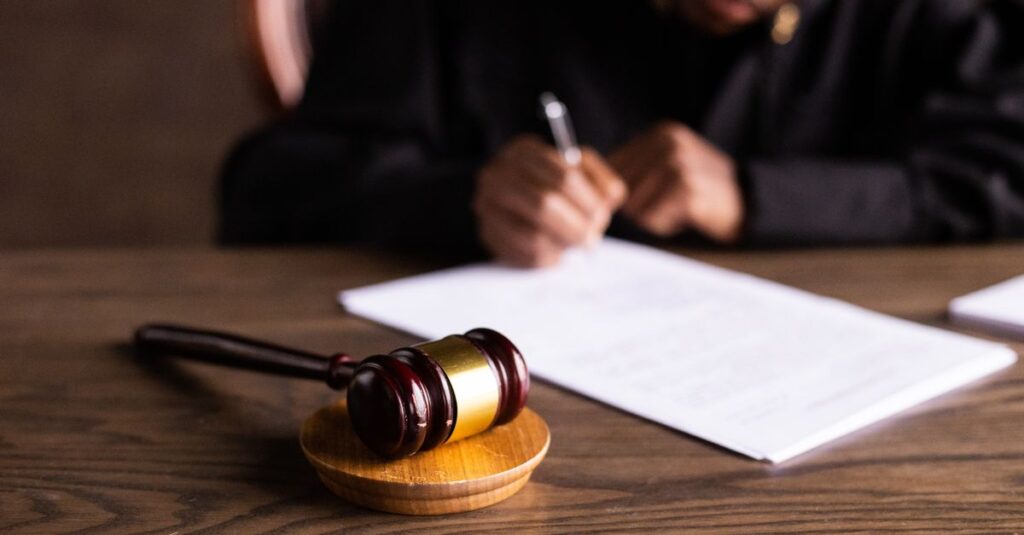
Judge signing documents at desk with focus on gavel, representing law and justice.
Court Decisions
Explore judgments, rulings, settlements, dismissals, and other possible legal outcomes.

Why Court Process Knowledge Matters

Understanding the court process can help individuals prepare for hearings, understand legal timelines, and better navigate legal proceedings.

  • Understand Court Procedures
  • Prepare for Hearings
  • Meet Important Deadlines
  • Understand Case Progress
  • Reduce Uncertainty

What You'll Learn

This guide introduces the common stages and procedures involved in court proceedings.

  • Case Filings
  • Court Hearings
  • Evidence & Testimony
  • Case Timelines
  • Court Decisions
  • Appeals & Outcomes

Need Legal Help?

Court procedures can vary depending on the type of legal matter and jurisdiction. Understanding the court process can help individuals prepare for hearings, filings, and legal requirements.

If you are involved in a court matter and need guidance regarding your legal rights or responsibilities, consider consulting a qualified attorney or legal aid organization.
Common Situations

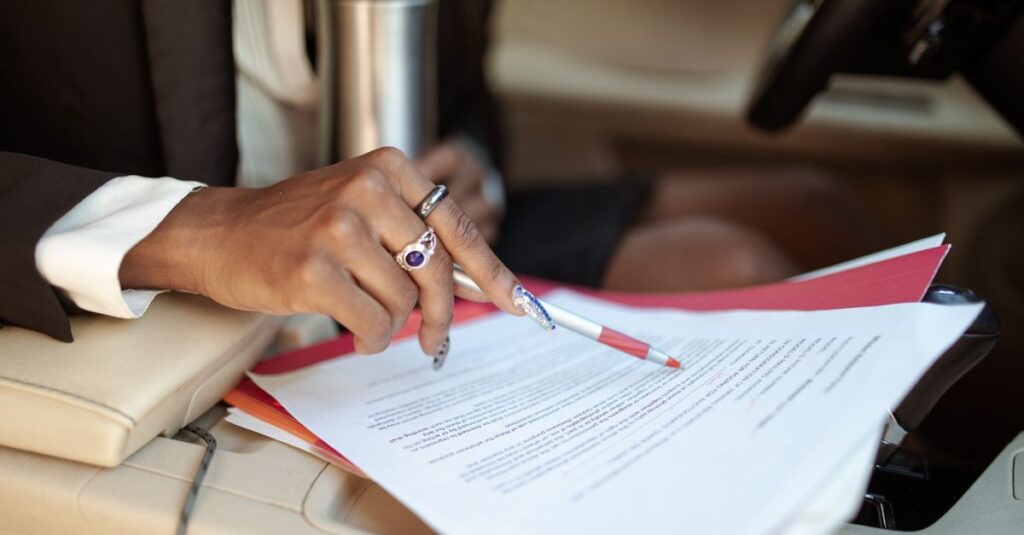
A professional reviewing documents in a car interior, focusing on hand and paperwork.

Filing a Complaint

Understanding how legal matters may begin through court filings and official complaints.
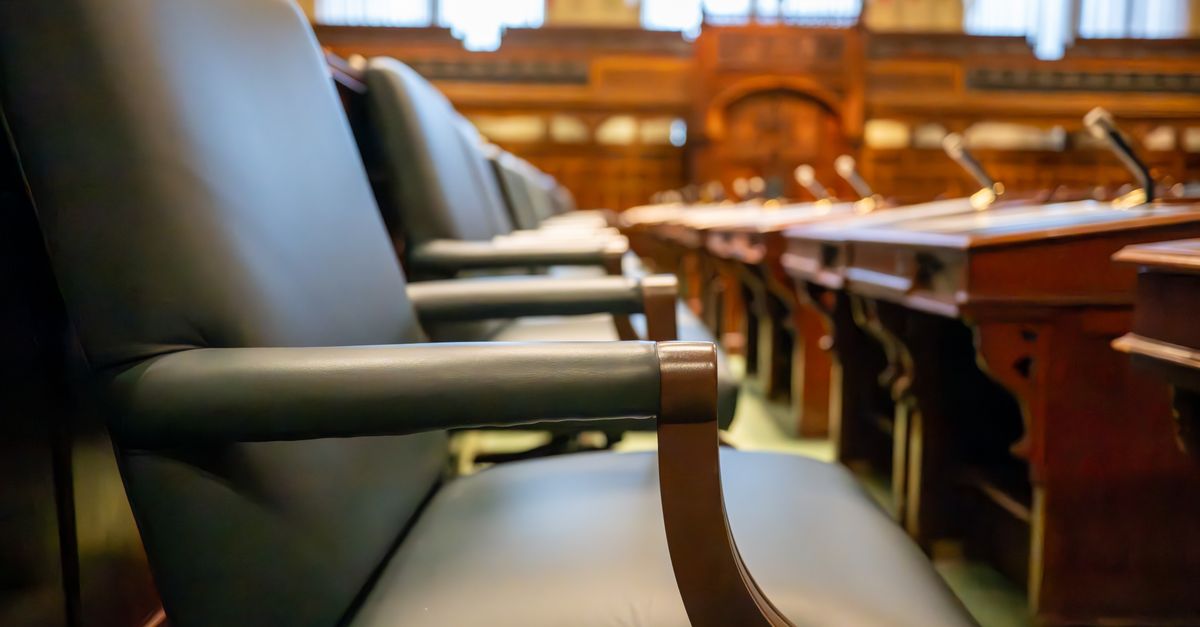
Elegant courtroom seating with leather chairs and wooden desks, exuding a sense of authority.

Attending a Hearing

Learning what typically happens during court hearings and legal proceedings.
Female lawyer in white suit presenting a case confidently in a courtroom setting in Baghdad, Iraq.

Presenting Evidence

Understanding how records, documents, photographs, and testimony may be used in court.
Three professionals engaged in conversation in a modern office corridor.

Receiving a Court Decision

Learning about judgments, rulings, settlements, and possible legal outcomes.

F.A.Q.

Common questions about court procedures, hearings, evidence, timelines, and case outcomes.
After a case is filed, notices may be issued, deadlines established, and hearings or conferences scheduled depending on the type of legal matter.
A court hearing is a legal proceeding where parties may present information, arguments, or evidence before a judge or hearing officer.
Attendance requirements vary depending on the type of case and court rules. Missing a required appearance may have legal consequences.
Evidence may include documents, records, photographs, testimony, and other materials that support legal claims or defenses.
Case timelines vary depending on the complexity of the matter, court schedules, and the actions of the parties involved.
Missing a required court appearance may result in delays, penalties, default judgments, or other legal consequences.
A judgment is an official court decision that resolves legal issues presented in a case.
Some court decisions may be appealed depending on applicable laws, deadlines, and procedural requirements.

Related Legal Resources

Browse additional legal resources covering legal documents, evidence requirements, court procedures, legal terminology, and practical legal guidance.
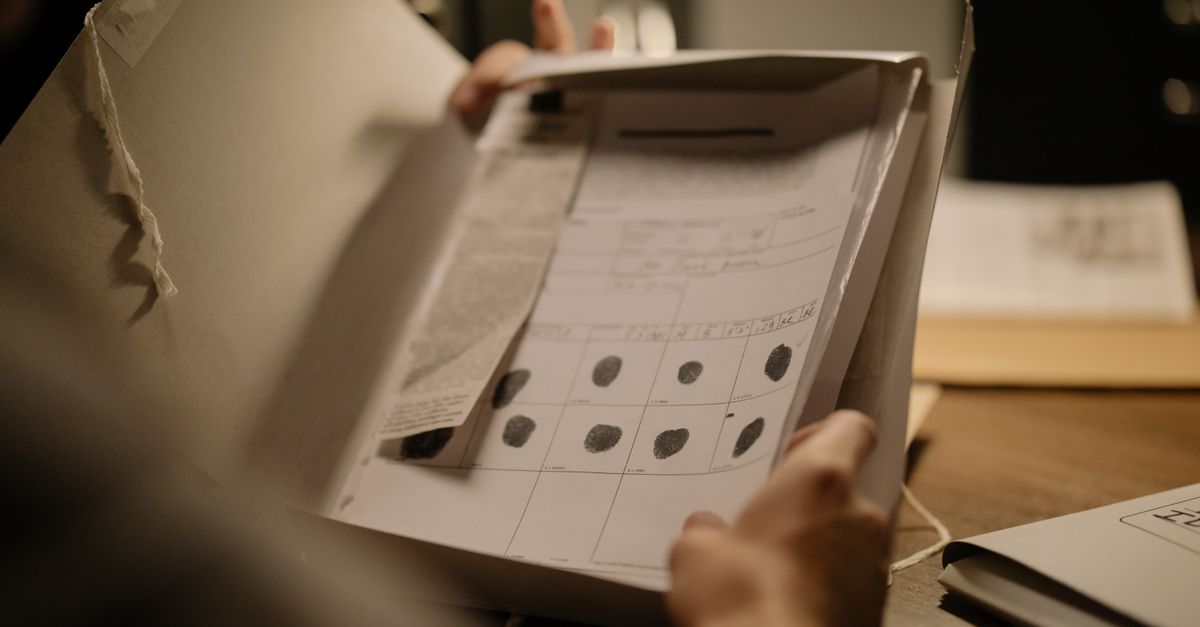
Detailed image showcasing a fingerprint document in an open folder, ideal for forensic and legal themes.

Evidence & Documentation

Understand how supporting records and evidence are used in legal matters.
A senior woman signing paperwork with a young professional assisting her at a desk.

Legal Documents

Understand contracts, court forms, legal notices, affidavits, and supporting legal paperwork.
Two businessmen engaged in a discussion during a job interview in a contemporary office environment.

What to Expect

Learn what commonly happens during legal consultations, hearings, and court proceedings.
Hands signing a divorce decree, with a justice statue nearby, symbolizing legal proceedings.

Legal Terms Explained

Understand common legal terminology, definitions, and phrases frequently found in legal documents and court paperwork.

Related Articles

No posts found.