


Arrest Procedures

Learn what happens during an arrest, your constitutional rights, booking procedures, police questioning rules, and the criminal court process after an arrest.

Understanding Arrest Procedures

An arrest occurs when law enforcement takes a person into custody based on probable cause or a valid warrant. Understanding what happens during an arrest can help individuals protect their legal rights and make informed decisions.

The arrest process may include police contact, questioning, transportation to a station, booking, bail determination, and court appearances. Knowing your rights can significantly affect the outcome of a criminal case.

A tense interrogation scene with lawyers questioning an inmate in a prison setting.
Your Legal Rights
Learn about the right to remain silent, legal representation, and protection against unlawful searches.
Officers at work reviewing evidence and taking notes in an investigation setting.
Booking Procedures
Understand fingerprinting, photographs, personal information collection, and processing after an arrest.
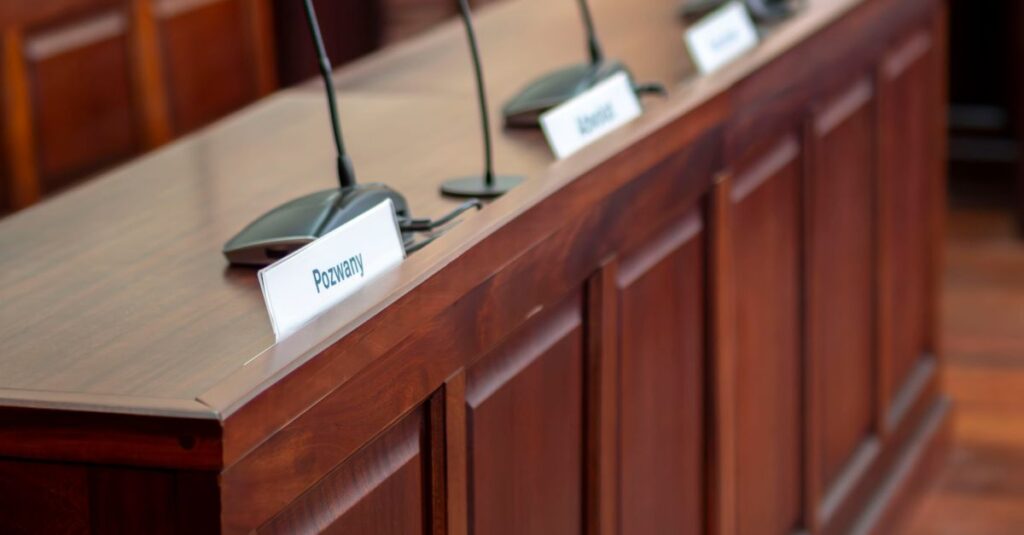
Empty courtroom desk with microphones and nameplates in a Polish court setting.
Bail & Release
Explore how bail works, release conditions, and factors courts consider when setting bail.
A courtroom scene in Baghdad with lawyers and participants engaged in legal proceedings.
Court Process
Learn about arraignments, hearings, plea options, and the next steps following an arrest.

Why Arrest Procedure Knowledge Matters

Knowing your rights during an arrest can help prevent self-incrimination and ensure fair treatment throughout the criminal justice process.

  • Right To Remain Silent
  • Right To An Attorney
  • Protection Against Unlawful Searches
  • Understanding Bail Procedures
  • Preparing For Court Hearings

What You'll Learn

This educational resource explains key stages of the arrest process and common legal issues individuals may face after being taken into custody.

  • Arrest Procedures
  • Bail & Bond Guidance
  • DUI & DWI Cases
  • Drug Offense Defense
  • Criminal Court Representation

Need Legal Help?

Criminal charges can have serious consequences, including fines, probation, license suspension, or incarceration. Understanding your legal options early is important.

If you have been arrested or charged with a crime, consulting a qualified criminal defense attorney can help protect your rights and guide you through the legal process.

Common Situations

A suspect in an orange jumpsuit is interrogated by detectives in a dimly lit room.

Police Questioning

Understanding your rights when speaking with law enforcement officers.
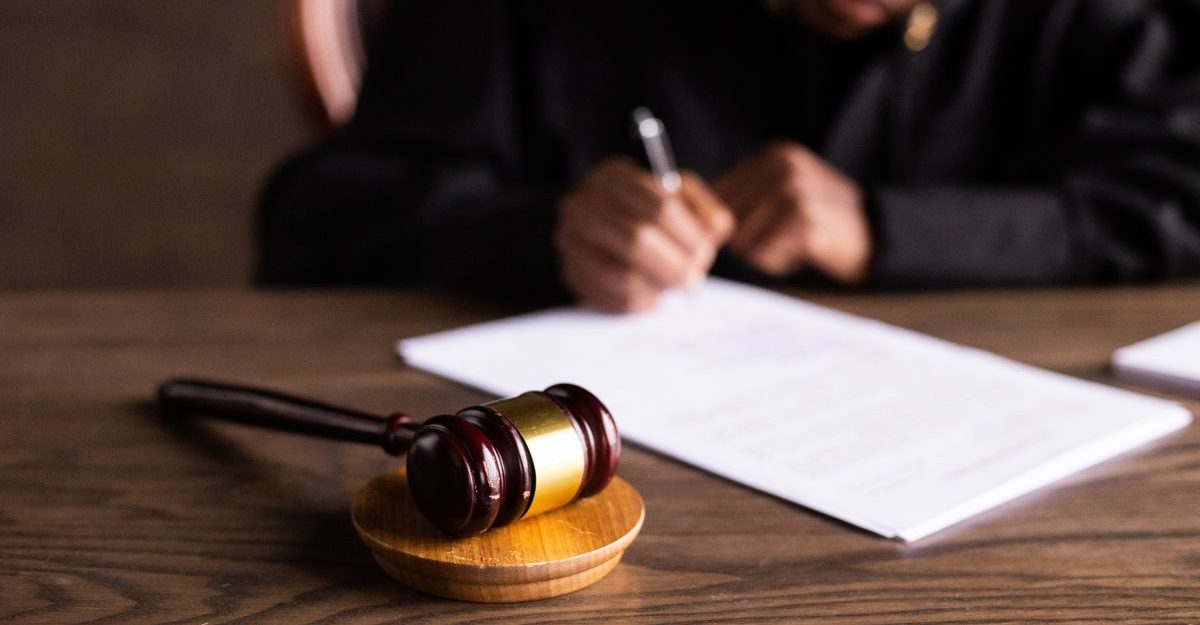
Judge signing documents at desk with focus on gavel, representing law and justice.

Arrest Warrants

Learning how warrants are issued and executed by law enforcement.
Empty courtroom desk with microphones and nameplates in a Polish court setting.

Bail Hearings

Understanding the process of obtaining release before trial.
A courtroom scene in Baghdad with lawyers and participants engaged in legal proceedings.

Court Appearances

Preparing for arraignments, hearings, and criminal proceedings.

F.A.Q.

Common questions about arrests, criminal rights, booking procedures, bail, and court appearances.
Remain calm, do not resist, exercise your right to remain silent, and request an attorney.
Not always. Police may arrest without a warrant when they have probable cause that a crime has been committed.
Booking generally includes identification, fingerprints, photographs, and recording personal information.
Yes. You have the right to remain silent and may request legal counsel before answering questions.
Bail is money or security posted to obtain temporary release while awaiting court proceedings.
The court informs the defendant of charges and allows entry of a plea.
Yes. Prosecutors may dismiss charges if evidence is insufficient or legal issues arise.
Legal representation is strongly recommended whenever criminal charges are involved.

Related Legal Resources

Explore additional legal resources related to criminal defense, arrests, bail procedures, court appearances, and common criminal charges.

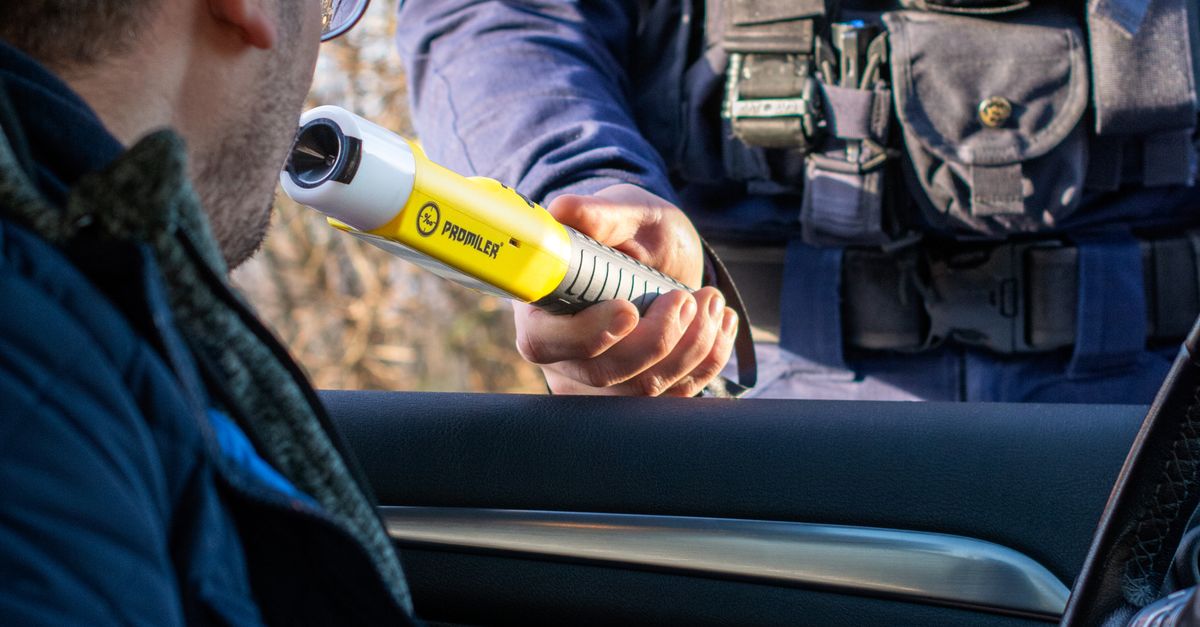
A police officer administering a breathalyzer test to a driver during a traffic stop.

DUI & DWI

Learn about impaired driving laws, penalties, license suspension, and possible legal defenses.
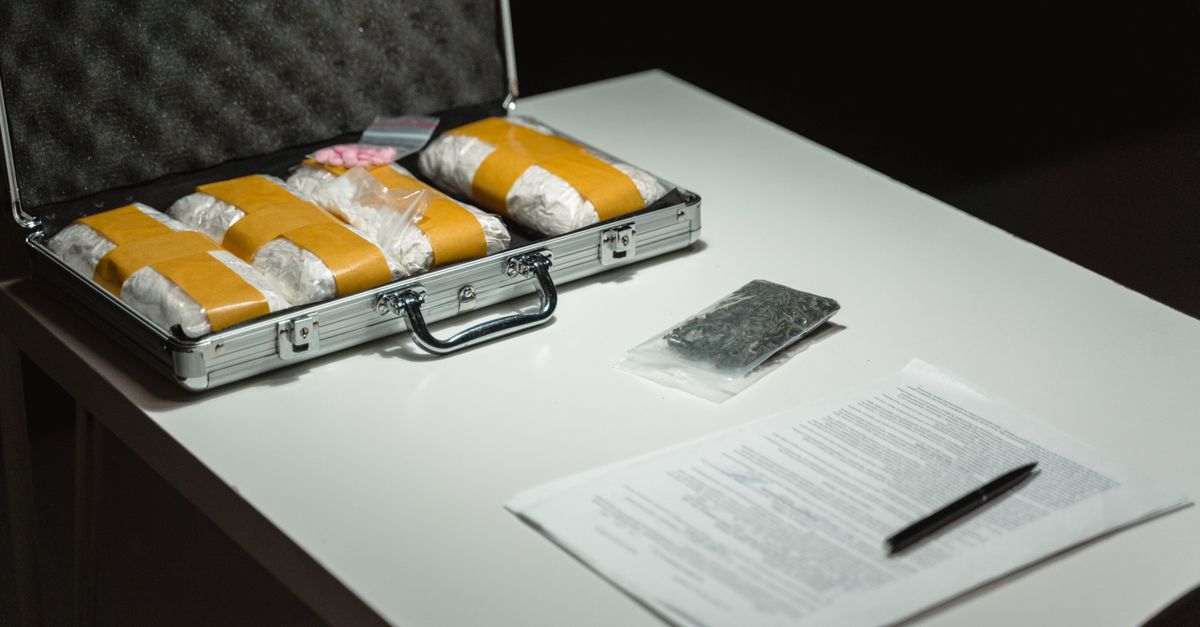
Briefcase with packages and documents on a table, suggesting illegal activity or crime scene investigation.

Drug Offenses

Understand drug possession, distribution charges, criminal penalties, and defense strategies.
African American judge in robe, reading document and talking on phone by the office window.

Bail & Bond

Learn how bail is determined, release conditions, bond options, and court requirements.
A courtroom scene in Baghdad with lawyers and participants engaged in legal proceedings.

Court Appearances

Prepare for arraignments, hearings, plea agreements, and criminal court proceedings.

Related Articles

No posts found.