



Drug Offenses

Learn about drug possession, distribution charges, controlled substances, criminal penalties, defense strategies, and the criminal court process.

Understanding Drug Offenses

Drug offenses involve the possession, distribution, manufacturing, trafficking, or sale of controlled substances. Penalties vary depending on the type of substance, quantity involved, prior criminal history, and state or federal law.

Understanding common drug charges, criminal penalties, search and seizure issues, and available legal defenses can help individuals better understand the criminal justice process.

Dramatic police interrogation scene with a suspect and detective under spotlight.
Drug Possession
Learn about possession charges, controlled substances, and potential criminal penalties.
Two individuals engage in a tense negotiation with a briefcase of suspicious packages in a dimly lit room.
Drug Distribution
Understand charges involving the sale, transportation, or distribution of illegal substances.
A police officer performs a frisk on a man against a wall outdoors in daylight.
Search & Seizure Issues
Explore how searches, warrants, and evidence collection may affect criminal cases.
A courtroom scene in Baghdad with lawyers and participants engaged in legal proceedings.
Defense Strategies
Learn about legal defenses, constitutional protections, and criminal court representation.

Why Drug Offense Knowledge Matters

Drug charges can lead to serious legal consequences, including fines, probation, incarceration, and long-term criminal records.

  • Drug Possession Laws
  • Distribution Charges
  • Search & Seizure Rights
  • Criminal Penalties
  • Court Defense Strategies

What You'll Learn

This resource explains common drug-related criminal charges, constitutional protections, investigation procedures, and court processes.

  • Drug Possession Cases
  • Drug Distribution Allegations
  • Search & Seizure Rights
  • Evidence Challenges
  • Defense Representation

Need Legal Help?

Drug convictions can result in substantial penalties, including fines, probation, incarceration, and long-term impacts on employment and housing opportunities.

Individuals facing drug-related criminal charges should understand their rights and consider consulting a qualified criminal defense attorney.

Common Situations

Two individuals engage in a tense negotiation with a briefcase of suspicious packages in a dimly lit room.

Possession Charges

Understanding criminal charges involving personal possession of controlled substances.
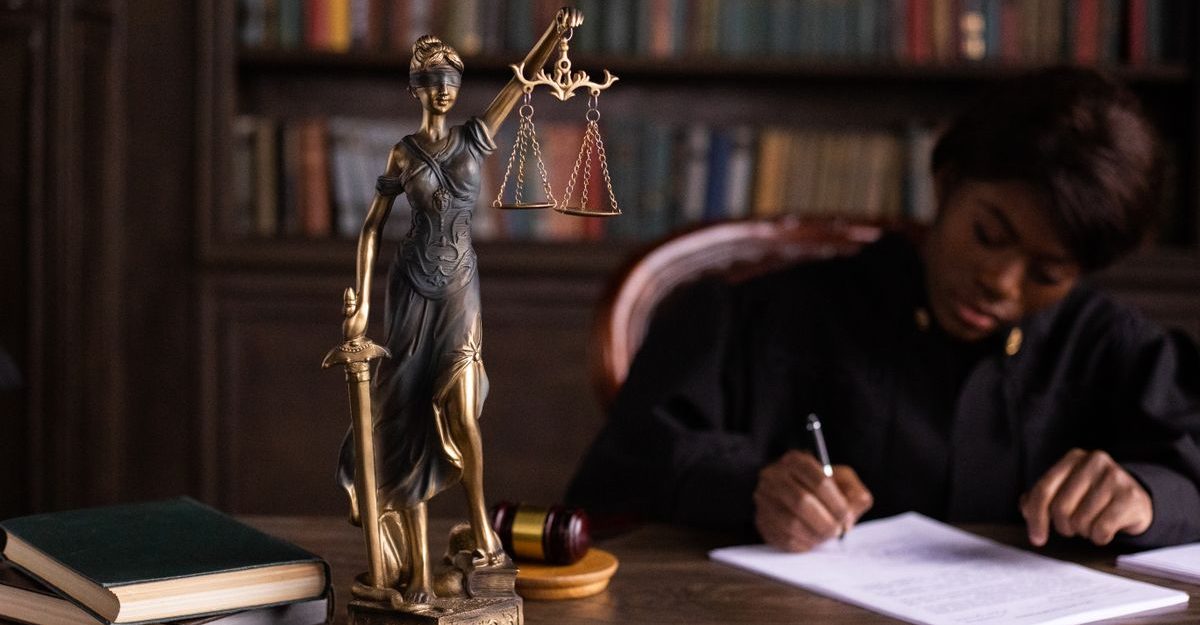
A focused judge writing on documents beside a Lady Justice statue in an office.

Search Warrants

Learning how law enforcement obtains and executes search warrants.
A handcuffed individual examines evidence photos and documents during an investigation.

Evidence Challenges

Exploring legal issues involving evidence collection and constitutional rights.
A courtroom scene in Baghdad with lawyers and participants engaged in legal proceedings.

Court Proceedings

Preparing for hearings, plea negotiations, and criminal court appearances.

F.A.Q.

Common questions about drug possession, distribution charges, search warrants, criminal penalties, and defense options.
Drug possession generally refers to knowingly having control over an illegal substance or controlled medication without legal authorization.
In many situations police need a warrant, but there are exceptions such as consent, emergencies, or certain vehicle searches.
Distribution charges involve selling, transporting, delivering, or intending to distribute controlled substances.
A person may be booked, formally charged, required to appear in court, and may face bail or release conditions.
Evidence obtained through unlawful searches, constitutional violations, or improper procedures may sometimes be challenged and excluded.
Not necessarily. Penalties vary depending on the offense, criminal history, jurisdiction, and circumstances of the case.
In some cases charges may be reduced, diverted, or dismissed depending on the evidence, legal issues, and prosecutorial decisions.
Legal representation can help individuals understand their rights, evaluate evidence, negotiate with prosecutors, and navigate criminal court proceedings.

Related Legal Resources

Explore additional legal resources related to criminal defense, arrests, bail procedures, court appearances, and common criminal charges.

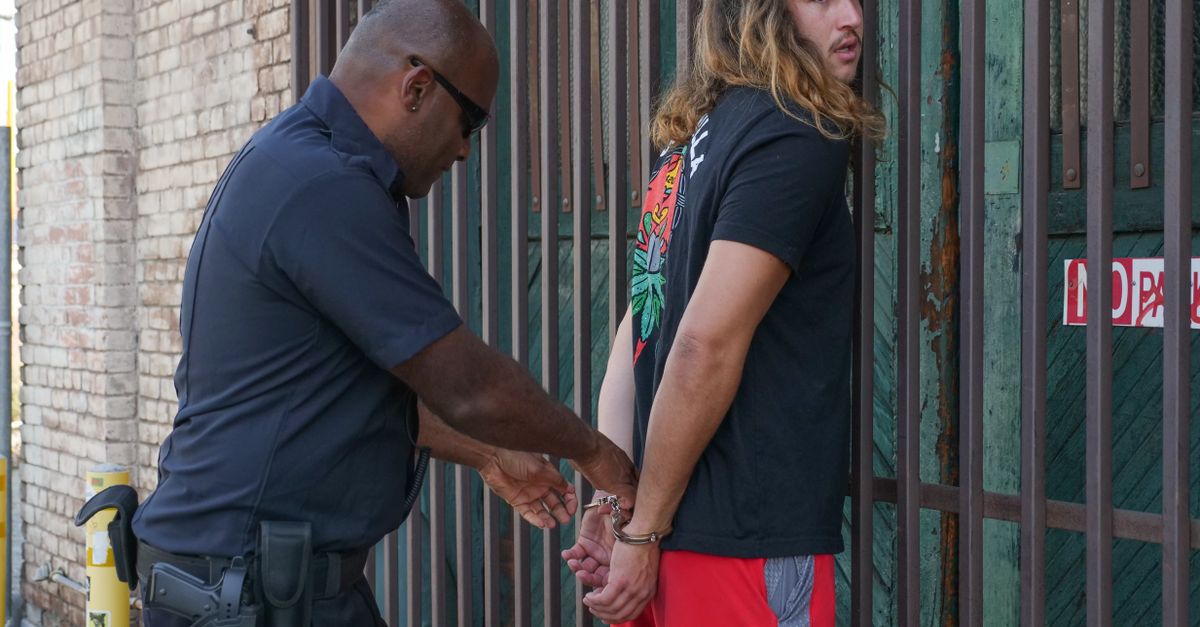
Police officer handcuffing a suspect during an arrest against an urban backdrop.

Arrest Procedures

Learn about arrest procedures, legal rights, booking processes, bail options, and criminal court procedures.
Police officer using breathalyzer to test driver's alcohol level outside car.

DUI & DWI

Learn about impaired driving laws, breathalyzer testing, license suspension, criminal penalties, and possible legal defenses.
African American judge in robe, reading document and talking on phone by the office window.

Bail & Bond

Learn how bail is determined, release conditions, bond options, and court requirements.
A courtroom scene in Baghdad with lawyers and participants engaged in legal proceedings.

Court Appearances

Prepare for arraignments, hearings, plea agreements, and criminal court proceedings.

Related Articles

No posts found.