




Expungement & Sealing

Learn about record sealing, expungement eligibility, filing procedures, criminal record privacy, and opportunities to limit public access to certain records.

Understanding Expungement & Sealing

Expungement and record sealing are legal processes that may limit access to certain criminal records. Eligibility requirements vary by state and depend on factors such as the offense, case outcome, and waiting periods.

Understanding these processes can help individuals explore opportunities to reduce the impact of criminal records on employment, housing, education, and other areas of life.

A focused lawyer reading documents in an office, symbolizing professionalism and legal expertise.
Expungement Eligibility
Learn about common eligibility requirements for expungement and record-clearing petitions.
Hands working with documents and colored pencils on a black desk view.
Record Sealing Process
Understand how record sealing works and when records may be restricted from public access.
Empty courtroom desk with microphones and nameplates in a Polish court setting.
Court Petitions
Explore filing procedures, supporting documents, and court review requirements.
A recruiter reviews a candidate's documents during a job interview in a modern office setting.
Background Check Impact
Learn how expungement and sealing may affect future background screenings.

Why Expungement Knowledge Matters

Criminal records can affect employment, housing, licensing, education, and other opportunities. Expungement and record sealing may help reduce some of these barriers when legally available.

  • Eligibility Requirements
  • Record Sealing Procedures
  • Court Petitions
  • Background Checks
  • Legal Rights

What You'll Learn

This resource explains how expungement and record sealing work, eligibility considerations, filing procedures, and long-term impacts on criminal records.

  • Expungement Eligibility
  • Record Sealing
  • Court Filings
  • Background Checks
  • Future Opportunities

Need Legal Help?

Expungement and record sealing laws vary by jurisdiction and may involve court filings, waiting periods, and eligibility reviews.

Individuals seeking to clear or limit access to criminal records should understand their legal options and consider consulting a qualified attorney.

Common Situations

Lawyers discussing with a client in a professional office environment. Business meeting concept.

Eligibility Reviews

Understanding whether a record may qualify for sealing or expungement.
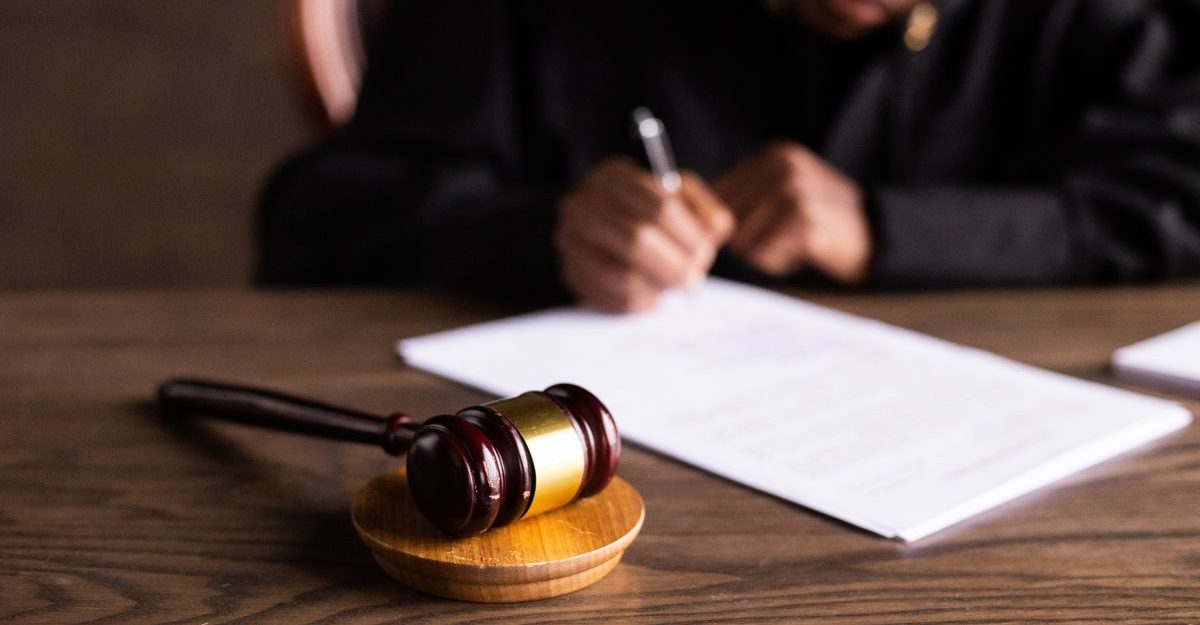
Judge signing documents at desk with focus on gavel, representing law and justice.

Court Filings

Preparing petitions, supporting records, and required documentation.
A recruiter reviews a candidate's documents during a job interview in a modern office setting.

Background Checks

Exploring how sealed or expunged records may affect screenings.
Inspecting a top-secret file within a secure, organized box of documents.

Record Privacy

Understanding who may access criminal records after sealing.

F.A.Q.

Common questions about expungement eligibility, record sealing, court petitions, background checks, and criminal record privacy.

Expungement is a legal process that removes or limits access to certain criminal records, depending on state law and eligibility requirements.

Record sealing restricts public access to criminal records while allowing certain government agencies and courts to retain access.

Eligibility depends on factors such as the type of offense, case outcome, completion of sentencing requirements, and the laws of the state where the case occurred.

In many situations employers cannot access sealed or expunged records, although exceptions may apply for certain professions or government positions.

The process often involves filing a petition, submitting supporting documentation, and obtaining court approval based on state requirements.

Applicants may need court records, case numbers, proof of completed sentencing, identification documents, and other supporting materials.

Not always. The legal effect of expungement varies by jurisdiction, and some records may remain available to certain agencies.

An attorney can help determine eligibility, prepare petitions, gather documentation, and navigate court procedures for record sealing or expungement.

Related Legal Resources

Explore additional legal resources related to criminal defense, arrests, bail procedures, court appearances, and common criminal charges.

A police officer administering a breathalyzer test to a driver during a traffic stop.

DUI & DWI

Learn about impaired driving laws, penalties, license suspension, and possible legal defenses.
Briefcase with packages and documents on a table, suggesting illegal activity or crime scene investigation.

Drug Offenses

Understand drug possession, distribution charges, criminal penalties, and defense strategies.
African American judge in robe, reading document and talking on phone by the office window.

Bail & Bond

Learn how bail is determined, release conditions, bond options, and court requirements.
A courtroom scene in Baghdad with lawyers and participants engaged in legal proceedings.

Court Appearances

Prepare for arraignments, hearings, plea agreements, and criminal court proceedings.

Related Articles

No posts found.