

Court Appearances

Learn about court appearances, arraignments, hearings, plea agreements, trial preparation, and understanding your rights during criminal proceedings.

Understanding Court Appearances

Court appearances are an important part of the criminal justice process and may include arraignments, hearings, plea negotiations, and trial proceedings. Requirements and procedures vary depending on the nature of the criminal case.

Understanding what happens during court appearances can help individuals prepare for legal proceedings, comply with court requirements, and better understand their rights and responsibilities.

A courtroom scene in Baghdad with lawyers and participants engaged in legal proceedings.
Initial Appearance
Learn what happens during a defendant's first court appearance and arraignment.
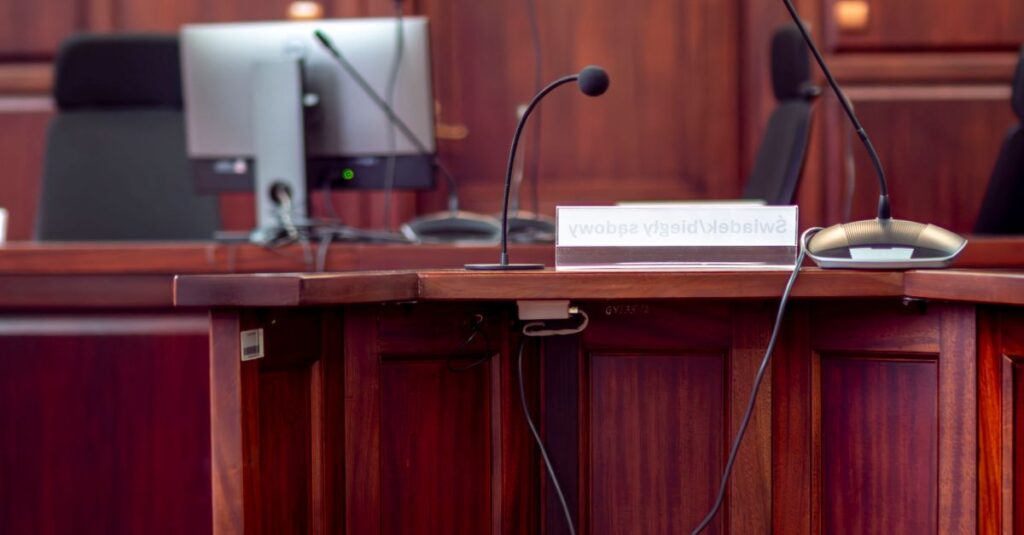
Close-up of a wooden podium with microphones in a Polish courtroom setting.
Hearings & Motions
Understand pretrial hearings, legal motions, and procedural court events.
A formal handshake over a business contract in a corporate office setting.
Plea Agreements
Learn how plea negotiations may resolve criminal cases before trial.
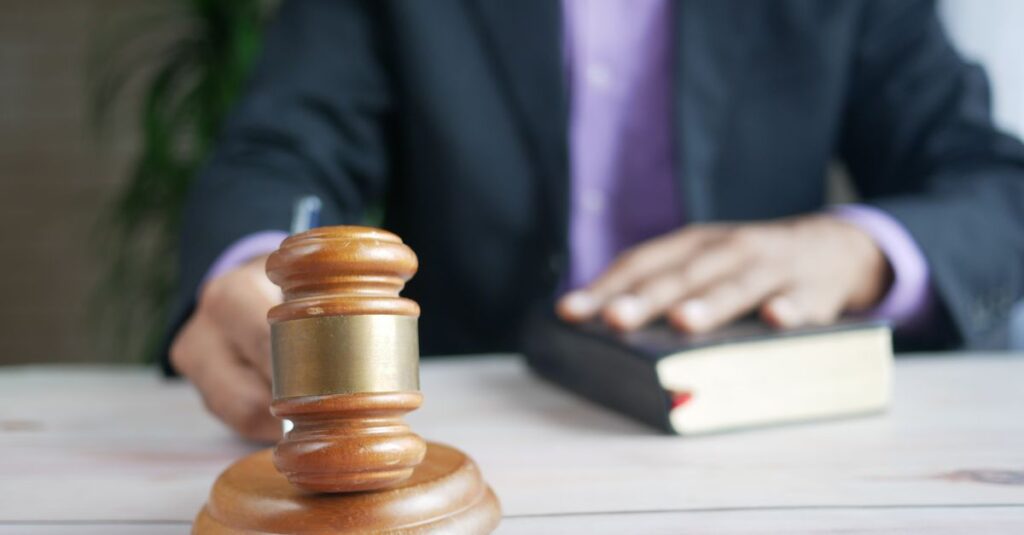
A wooden gavel and legal book represent justice in a court setting, emphasizing order and legal authority.
Trial Proceedings
Explore courtroom procedures, witness testimony, and trial preparation.

Why Court Appearance Knowledge Matters

Court appearances are a critical part of the criminal justice process. Missing court dates or failing to comply with court requirements may result in additional legal consequences.

  • Arraignments
  • Pretrial Hearings
  • Plea Agreements
  • Trial Preparation
  • Court Responsibilities

What You'll Learn

This resource explains common court proceedings, hearing types, legal requirements, and what individuals may expect throughout a criminal case.

  • Initial Court Appearances
  • Hearing Procedures
  • Plea Negotiations
  • Trial Process
  • Courtroom Expectations

Need Legal Help?

Court appearances may involve arraignments, hearings, plea discussions, and trial proceedings. Understanding court requirements can help individuals better navigate the legal process.

Individuals facing criminal charges should consider consulting a qualified criminal defense attorney regarding court preparation and legal representation.
Common Situations

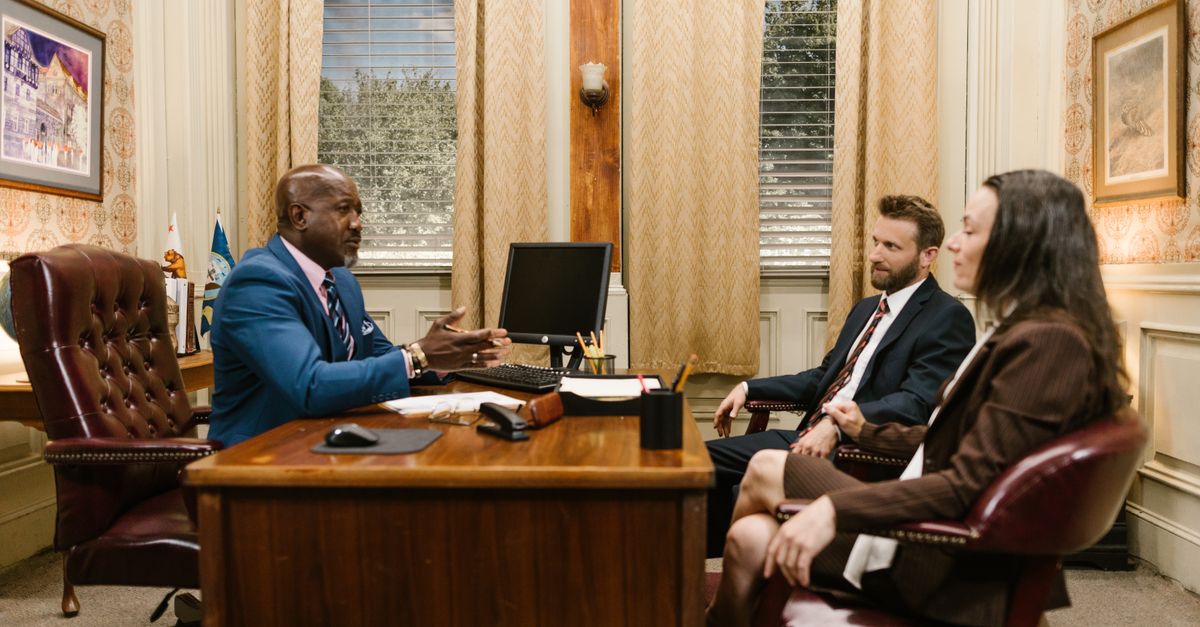
Lawyers discussing with a client in a professional office environment. Business meeting concept.

Arraignments

Understanding the first formal court appearance after criminal charges are filed.
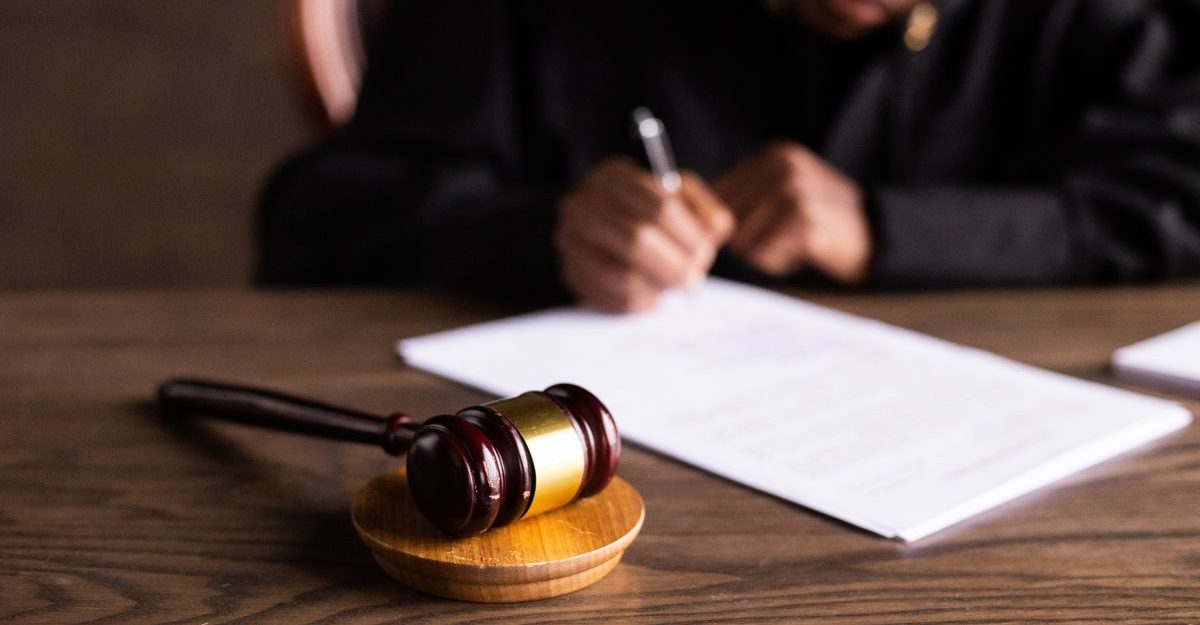
Judge signing documents at desk with focus on gavel, representing law and justice.

Pretrial Hearings

Learning how judges address motions, evidence issues, and scheduling matters.
A recruiter reviews a candidate's documents during a job interview in a modern office setting.

Plea Negotiations

Exploring agreements that may resolve criminal cases without trial.
A courtroom scene in Baghdad with lawyers and participants engaged in legal proceedings.

Trial Preparation

Preparing for courtroom procedures, witnesses, and trial proceedings.

F.A.Q.

Common questions about court appearances, arraignments, hearings, plea agreements, trial preparation, and criminal proceedings.
An arraignment is usually the first court appearance after criminal charges are filed. The charges are presented, legal rights are explained, and the court may address release conditions and future court dates.
In most cases, defendants are required to attend scheduled court appearances unless the court specifically allows otherwise. Missing a court date may result in additional legal consequences.
A pretrial hearing is a court proceeding that occurs before trial. Judges may address motions, evidence issues, scheduling matters, and other procedural questions.
Yes. Some criminal cases may be resolved through plea agreements, dismissals, diversion programs, or other legal resolutions before reaching trial.
Missing a required court appearance may lead to penalties such as warrants, additional charges, or other court actions. Individuals should contact the court or an attorney if they cannot attend.
A plea agreement is a negotiated resolution between the prosecution and the defendant that may reduce charges, modify penalties, or resolve a case without trial.
During a trial, both sides may present evidence, question witnesses, make legal arguments, and ask the judge or jury to decide the outcome of the case.
Individuals facing criminal charges may benefit from legal guidance regarding court procedures, defense strategies, plea negotiations, and trial preparation.

Related Legal Resources

Explore additional legal resources related to criminal defense, court appearances, arrest procedures, bail decisions, and common criminal charges.
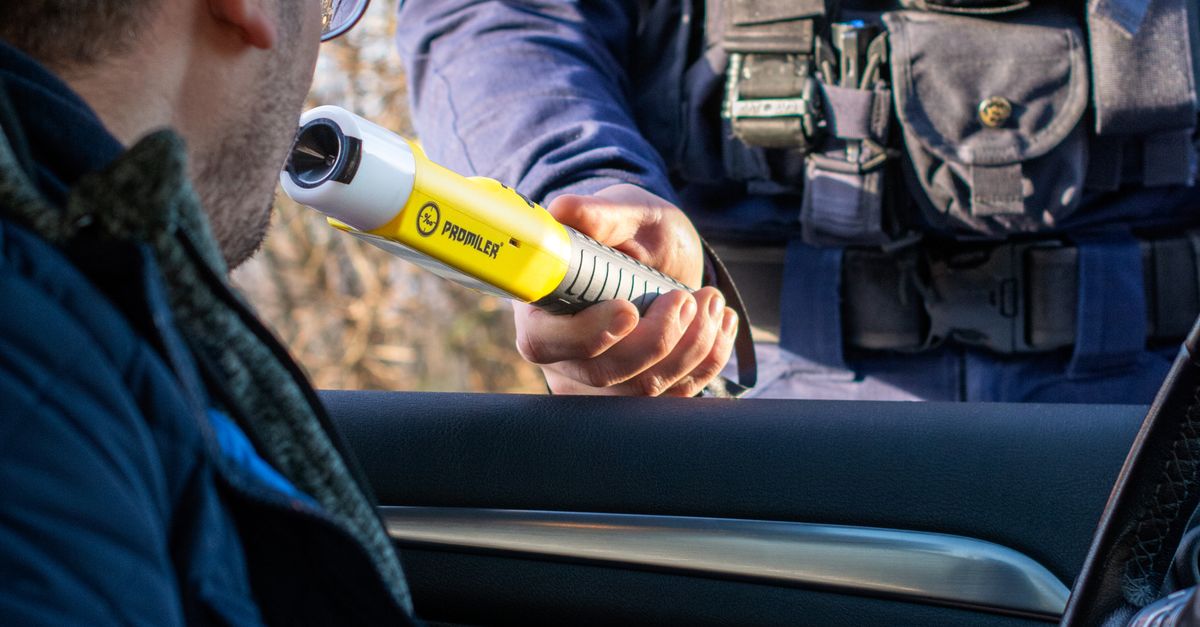
A police officer administering a breathalyzer test to a driver during a traffic stop.

DUI & DWI

Learn about impaired driving laws, penalties, license suspension, and possible legal defenses.
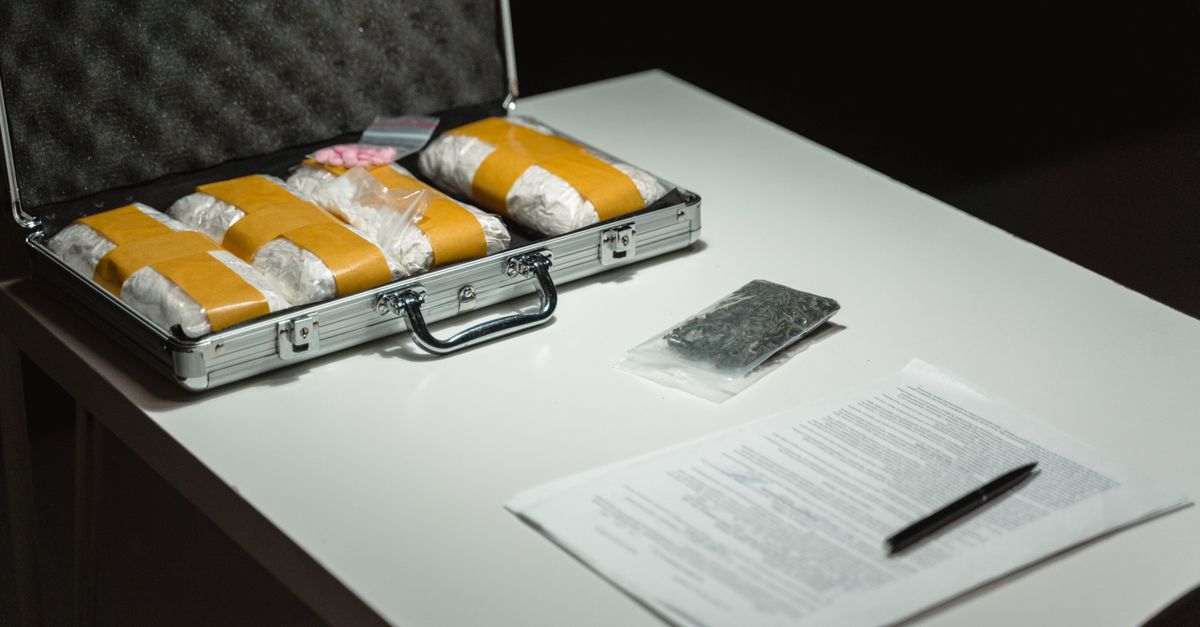
Briefcase with packages and documents on a table, suggesting illegal activity or crime scene investigation.

Drug Offenses

Understand drug possession, distribution charges, criminal penalties, and defense strategies.
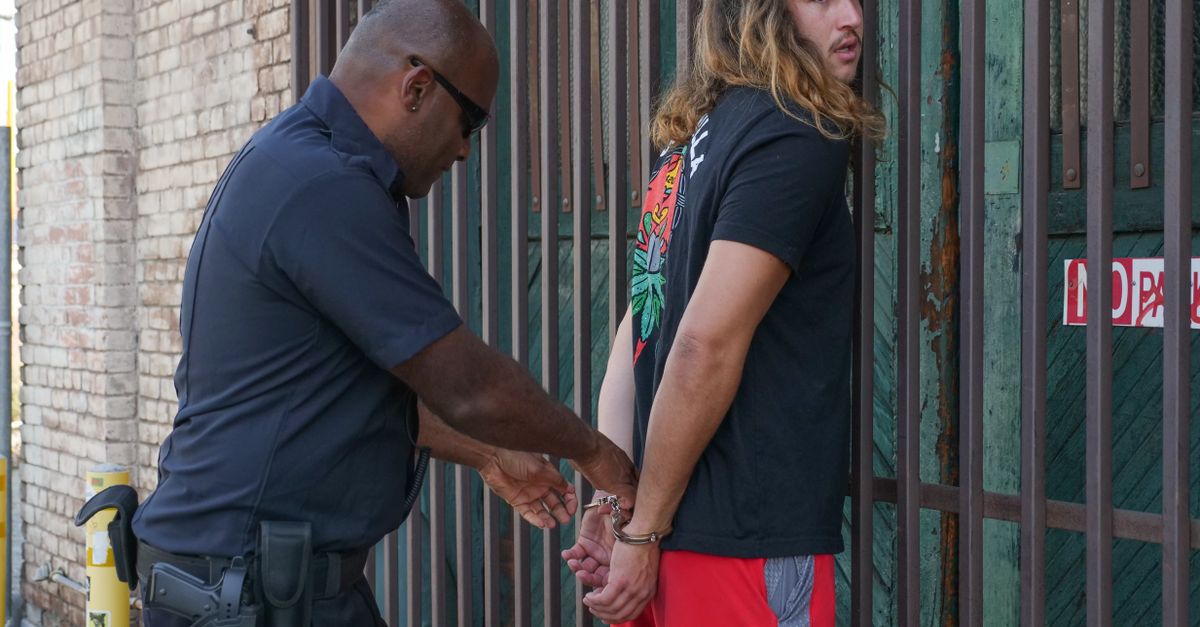
Police officer handcuffing a suspect during an arrest against an urban backdrop.

Arrest Procedures

Learn about arrest procedures, legal rights, booking processes, bail options, and criminal court procedures.
Black and white image of handcuffs placed over stacks of US dollar bills, symbolizing financial crime.

Bail & Bond

Learn how bail is determined, release conditions, bond options, and court requirements.

Related Articles

No posts found.